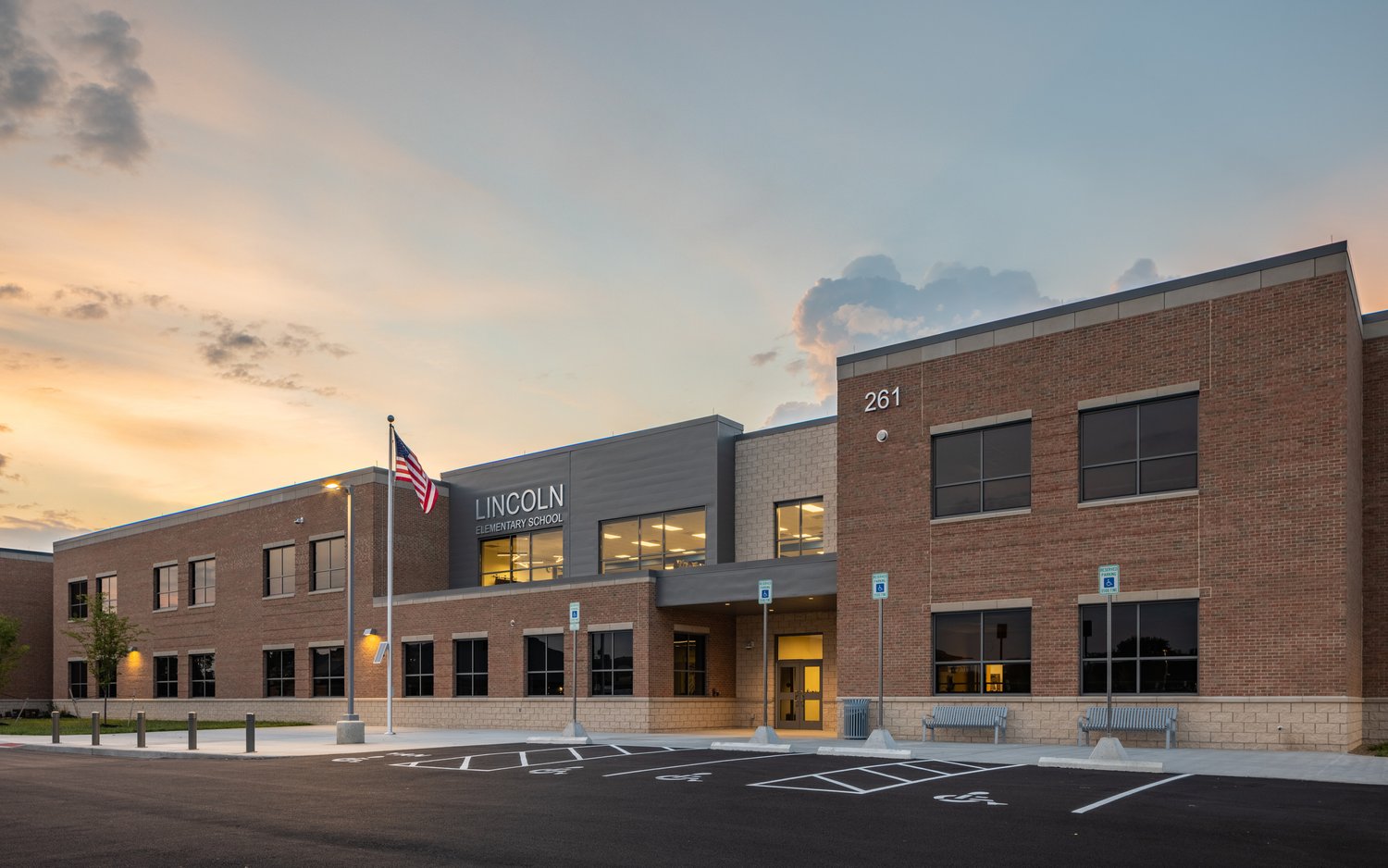
Lincoln Elementary, Gahanna-Jefferson Public Schools
At Triad, we work to bring community aspirations to life. We value your vision and strive to build and care for the community you live in and leave for future generations.
-
Project Completion
2021
-
Construction Cost
$24 million
-
Client Contact
Steve Barrett, Superintendent | 614.471.7065
The Call: A New School on a Site That Was Already Struggling
Gahanna Jefferson needed a new elementary school, and the site they chose was an existing middle school campus. It made sense operationally, but the site came with baggage. The middle school campus already had traffic congestion that spilled onto neighborhood streets and pedestrian safety concerns at a nearby intersection. Adding a 750-student elementary school with its own daily drop-off and pick-up traffic could have made all of those problems significantly worse. The district’s leadership saw that risk and refused to accept it. They made a decision: this project would not just avoid making things worse. It would fix what was already broken. And they would do it during COVID, on a shared campus, on a public budget.
Choosing a Partner Who Designs Beyond the Building’s Walls
This project required a partner who saw the school and the site as one problem. The traffic solution, the intersection safety, the neighbor relationships, and the educational spaces all needed to be designed together. Add a shared campus, COVID-era cost volatility, and the need to keep an existing middle school operational during construction, and the complexity demanded a team with experience across site planning, community engagement, and school design. The district chose Triad.
The Decisions That Turned a Risk Into a Community Improvement
The district ran two parallel stakeholder engagement tracks. The first engaged neighbors to hear their concerns about adding more traffic and activity to a campus that was already causing problems. The second engaged students and staff from the previous elementary to identify the specific educational challenges that needed to be corrected in the new building. Both conversations ran simultaneously, and both shaped the final design. Triad facilitated the engagement. The district carried the trust.
The site solutions became the most visible outcome of the project. Triad designed a strategic long drop-off lane that pulls parent traffic entirely off neighborhood streets, solving congestion not just for the new elementary but for the existing middle school as well. Triad also redesigned and realigned the nearby intersection to create safer crosswalks for students and pedestrians. These were not minor adjustments. They were infrastructure improvements that fixed problems the neighborhood had been living with long before the elementary was planned. The community did not just avoid a worse situation. They got a measurably better one.
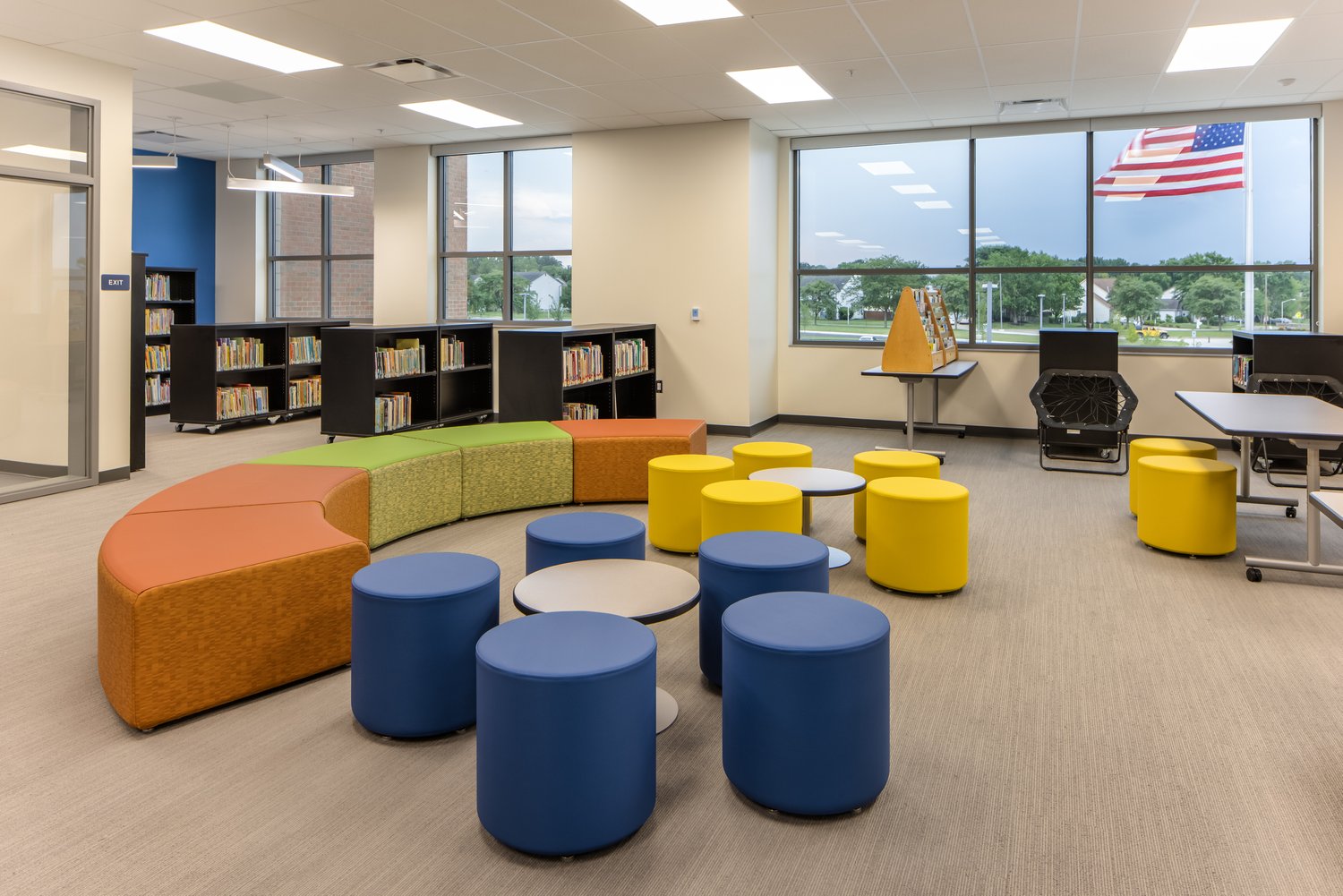
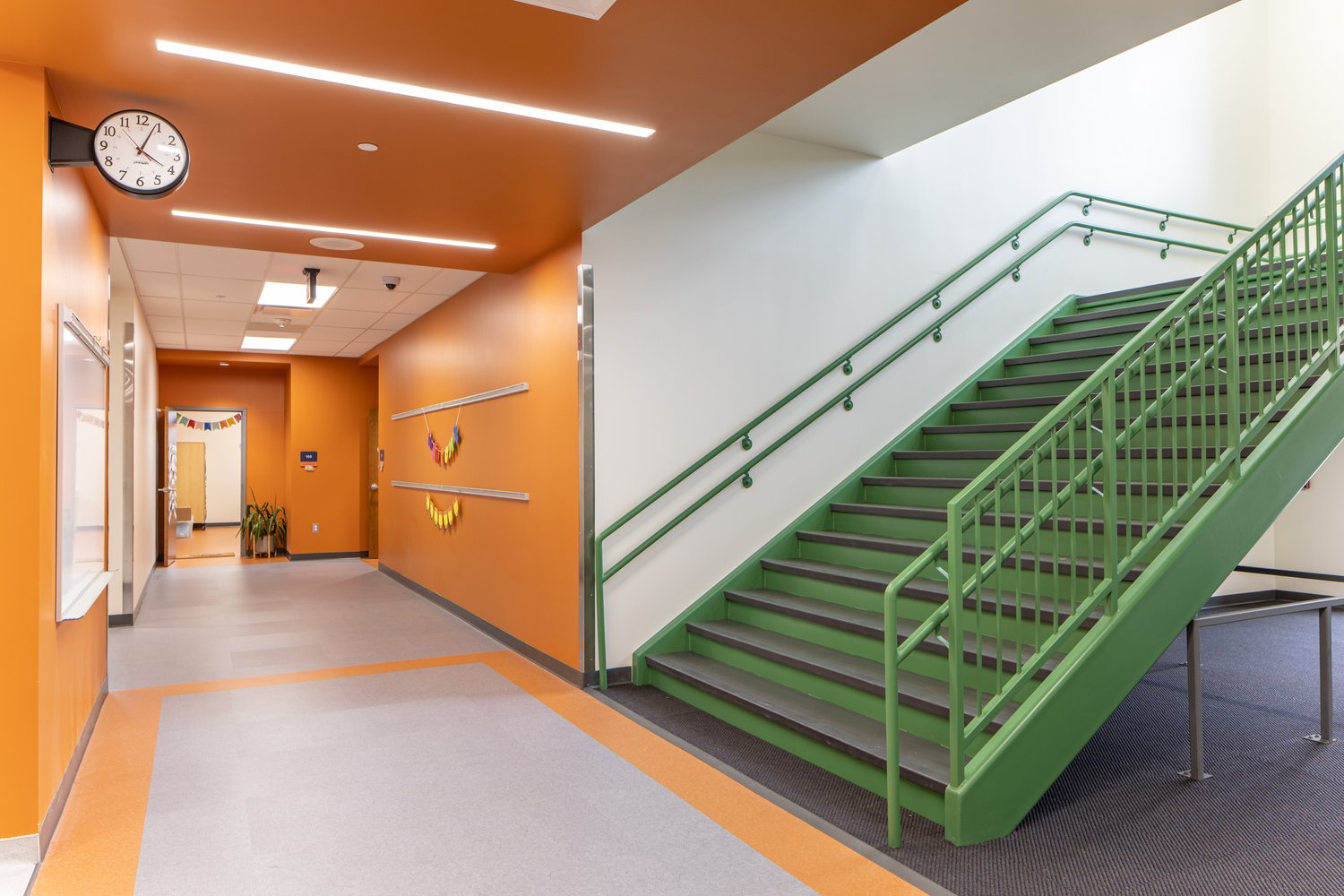
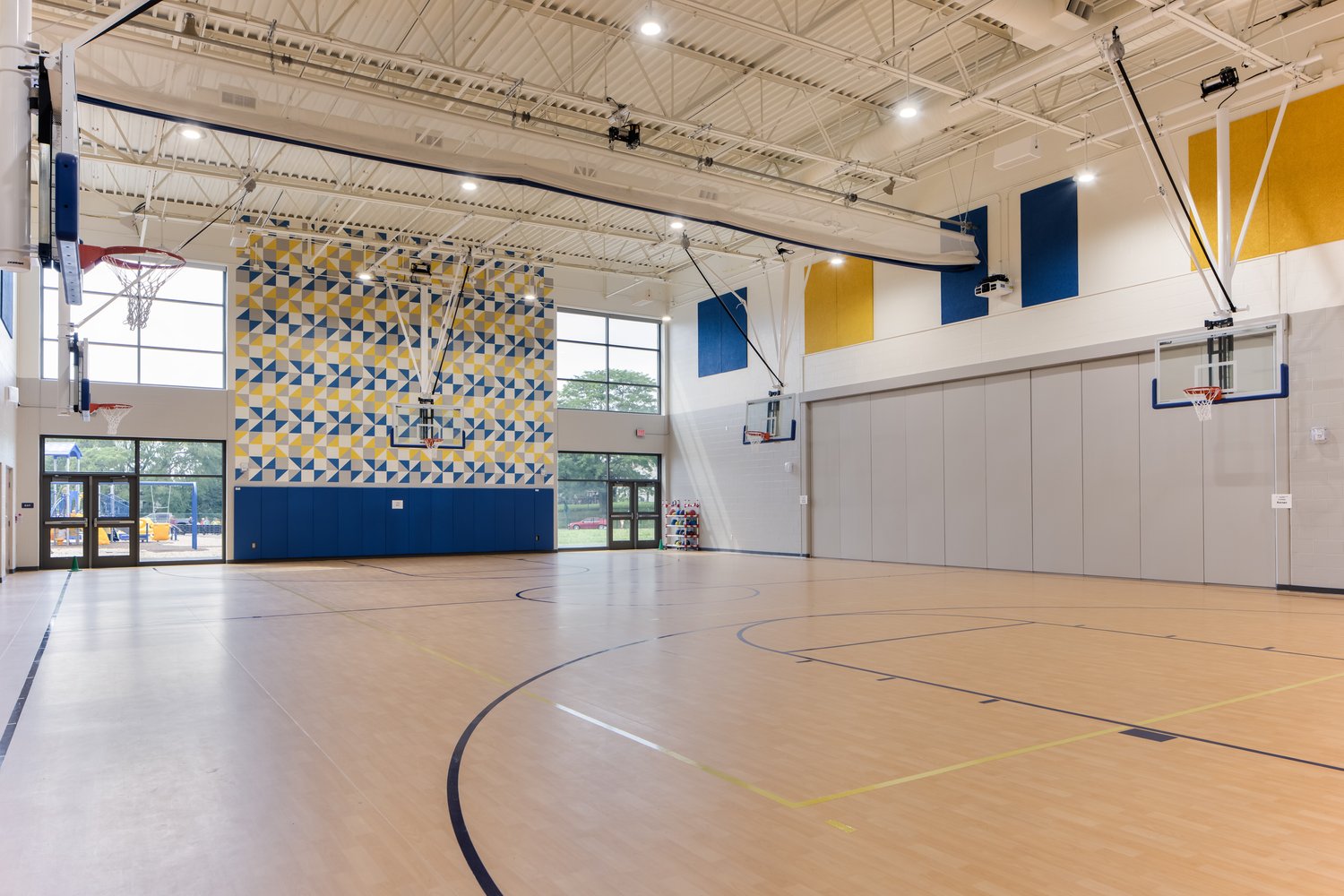
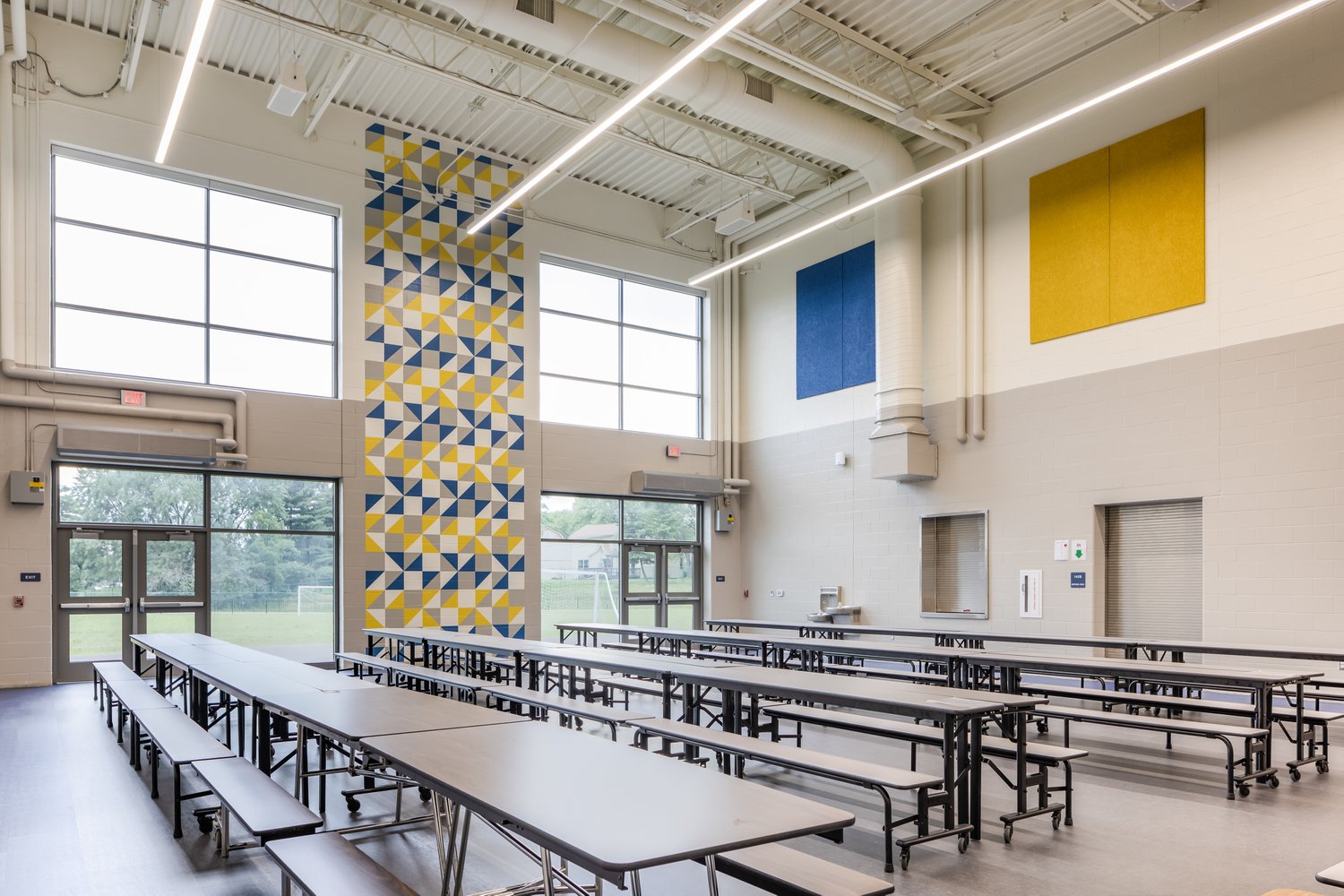
Inside the building, the district designed a school informed by the specific shortcomings of the previous elementary. Students and staff had identified what did not work, and those insights directly shaped the new spaces. The result is a school designed around real experience, not assumptions.
All of this happened during COVID. Construction costs were volatile. The district used strategic alternates to manage the budget, protecting the most critical design elements while maintaining flexibility as conditions shifted. The existing middle school on the shared campus continued operating throughout construction without disruption.
A New School That Left the Neighborhood Better Than It Found It
Today, Lincoln Elementary is a 750-student school on a shared campus that works better for everyone. Traffic no longer backs up onto neighborhood streets, for the elementary or the middle school. The intersection is safer for every pedestrian. Neighbors can see that the project improved their daily experience instead of adding to their frustrations. Students are in a school built to correct the specific educational challenges of the previous facility. The project was delivered during COVID, on a shared campus, with public funds managed through strategic alternates. Gahanna Jefferson’s leadership proved that adding a school to a site with existing problems does not have to compound them. It can be the reason they finally get fixed.
“
We selected Triad, because we felt like we would get innovative designs. All of the other architects we had talked to offered out-of-the-box, cookie-cutter designs. We wanted something special for our district. Triad also offered unique solutions to save us time and money.
Scott Lofton
Business Director, Gahanna-Jefferson Public Schools