Jubilee Market
At Triad, we work to bring community aspirations to life. We value your vision and strive to build and care for the community you live in and leave for future generations.
-
Project Completion
2017
-
Construction Cost
$1.8 Million
-
Client Contact
Tracy Cloud, Chief Executive Officer | tracy.cloud@llchc.org
The Call: A Health Organization That Saw Food Access as a Health Issue
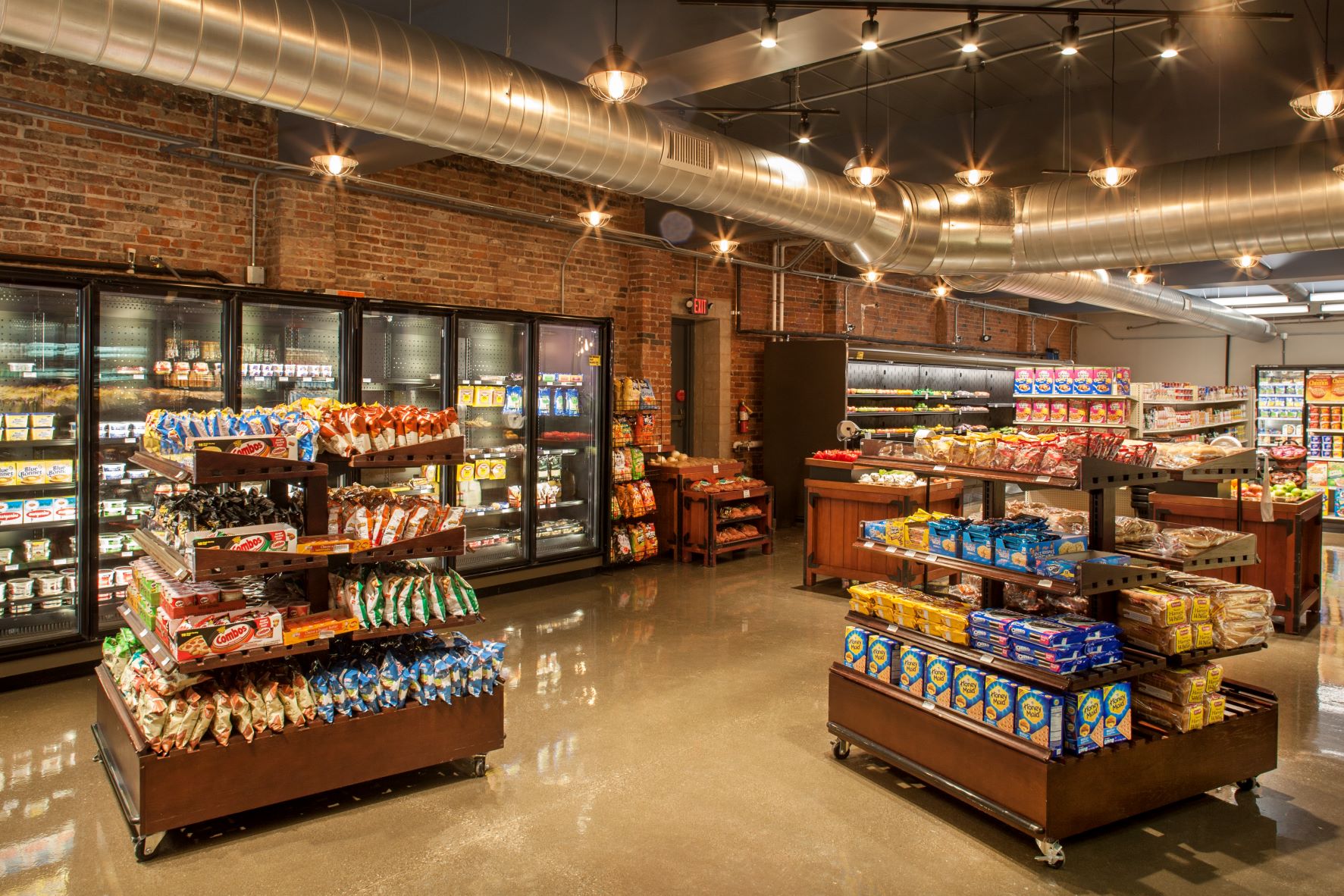
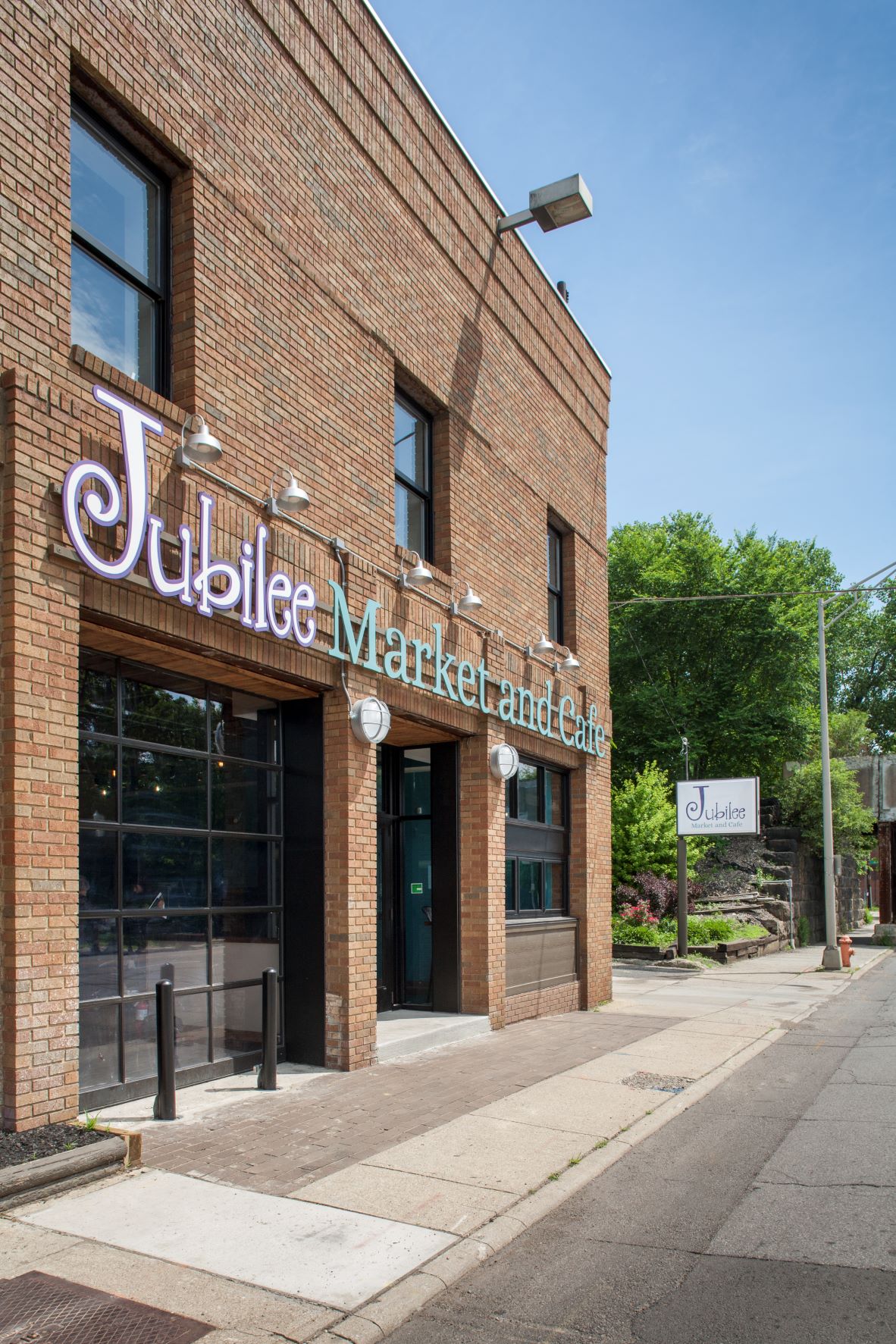
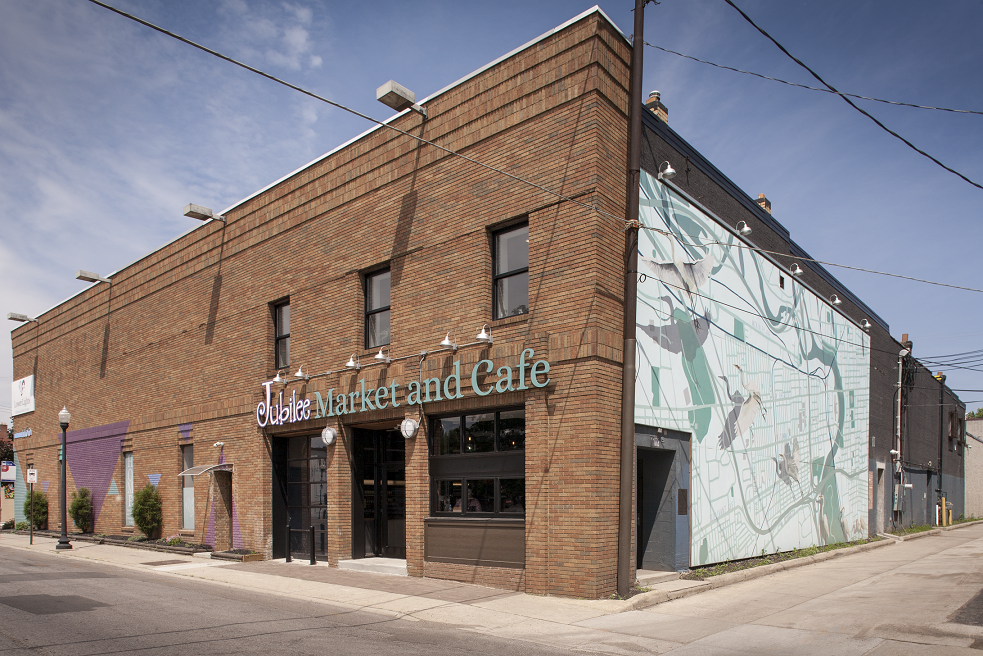
Lower Lights was already serving an underserved community through a health clinic operating in a historic chocolate factory. Their team saw every day what the data confirms: the community they served lacked reliable access to healthy, affordable food. And food access is a health issue. The organization decided to expand their health services mission by converting additional space in their existing building into the Jubilee Market, a pay-what-you-can grocery where customers pay what they can afford. The vision was clear. But the organization had limited experience with building projects. The code challenges of converting the space to grocery use were complex. Funding had to be raised. And the finished space needed to honor the dignity of the people it would serve.
Choosing a Partner Who Could Carry the Technical Burden
Lower Lights existed to serve a community’s health, not to manage construction. The organization needed a partner who could carry the technical and regulatory burden of the building project so the leadership could stay focused on the mission. They chose Triad because the team had deep experience with adaptive reuse, building code navigation for complex change-of-use projects, and supporting organizations that need to raise funds before they can build. The partnership started before construction, with marketing materials that would help Lower Lights tell the story of what the Jubilee Market would become.
The Decisions That Expanded a Health Mission into Food Access
The fundraising came first. Lower Lights’ leadership worked with Triad to create marketing materials that showed potential donors and grant-makers what the Jubilee Market would look like, how it would function, and how it connected to the organization’s existing health services mission. Those materials gave the fundraising effort a tangible story. Donors could see exactly what their investment would produce and why a grocery market was an extension of healthcare.
With funding secured, the building work began. Lower Lights engaged the building department early, before design decisions were finalized. Triad provided the deep code knowledge that supported those conversations and helped the team understand the requirements for converting the space to grocery and market use. The code challenges were complex, but by engaging early and designing within the requirements from the start, the team avoided the costly surprises that can derail a fundraised budget.
Unforeseen conditions in the historic building surfaced during construction. The team had planned for this possibility, and the protections built into the approach allowed the project to absorb what the building revealed without threatening the mission or the budget.
Lower Lights’ leadership defined what they wanted their community to feel when they entered the Jubilee Market. This was a pay-what-you-can grocery serving people who already came to the building for healthcare. The market needed to feel like a natural extension of the care they already received: welcoming, respectful, and dignified. Not like a charity. Not like an afterthought. Like a real market that happens to operate on a model built around respect for the people it serves. The leadership made those decisions. Triad translated them into a design that delivers exactly that.
Healthcare and Healthy Food Under One Roof
Today, the Jubilee Market operates in the same historic chocolate factory where Lower Lights’ health clinic serves the community. A population that lacked access to healthy, affordable food now receives both healthcare and healthy food in the same building, from the same organization that has always treated them with dignity. The fundraising materials told a story that secured the budget. The building department was engaged early. The code challenges were solved. Unforeseen conditions were managed. And every person who walks through the door enters a space that feels welcoming and intentional, because the organization that built it understood that food access is healthcare, and the building should reflect that.
“
Triad Architects did an amazing job envisioning and helping bring to life a new market and café as well as new executive office space. They were innovative, creative and responsive. We are thrilled with the outcome and would partner with them in the future without hesitation.”
Tracy Cloud
CEO, Lower Lights Christian Health Center