
What Three Ohio School Leaders Taught Us About Career-Connected Learning in an AI World
What Three Ohio School Leaders Taught Us About Career-Connected Learning in an AI World
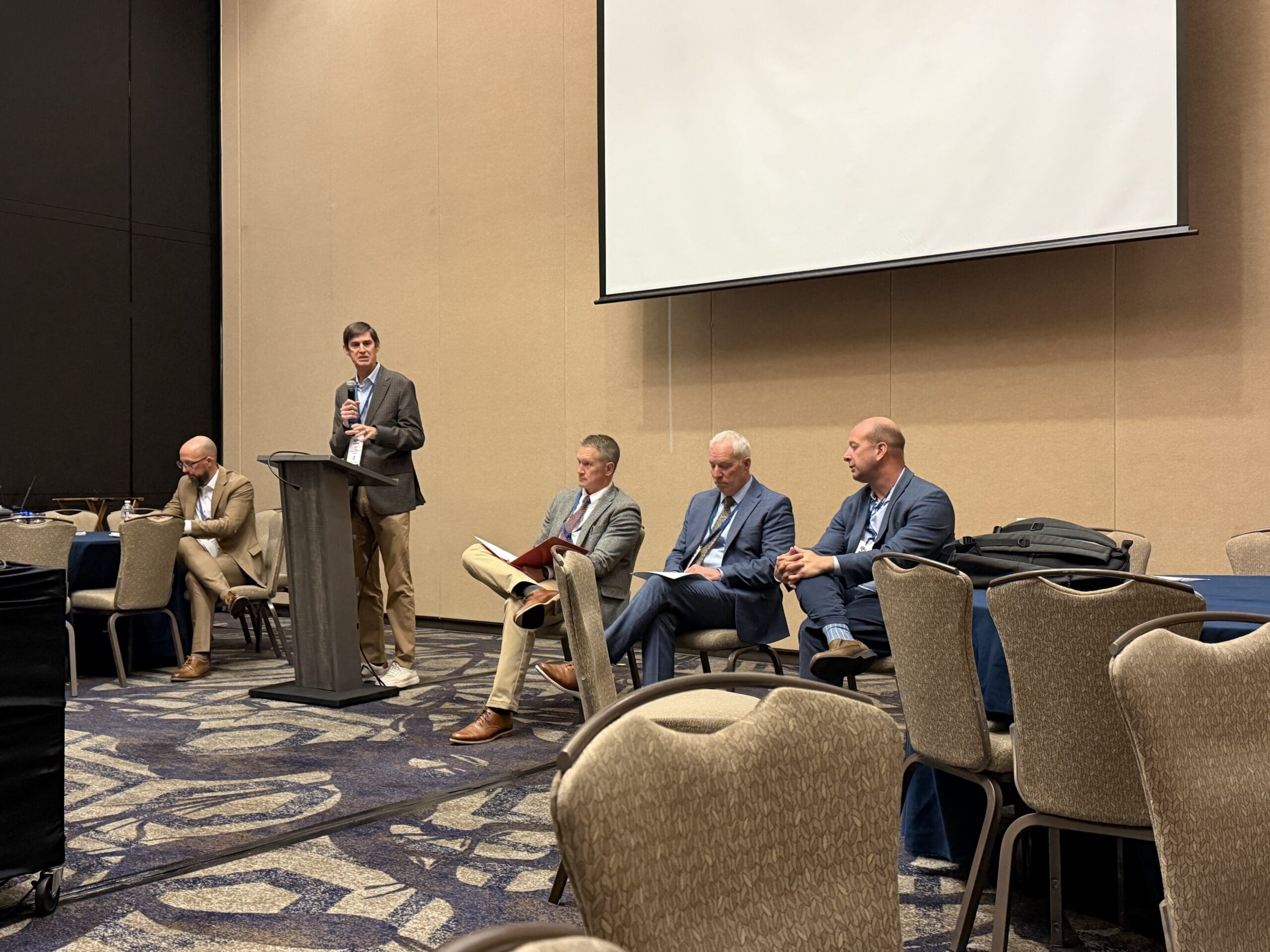
Artificial intelligence is not the hard part. That was the clearest message from our panel at the BASA conference, where three Ohio school leaders spent 40 minutes talking about how they prepare students for jobs that keep changing. AI came up often. It was never the main event.
The real work is older and more human. It is showing up at a partner’s office. It is helping a fourth grader understand that the world holds more jobs than the ones their parents have. It is deciding whether your district is checking a box or building something a family will remember.
Here is what we heard, and what it means for the buildings these programs have to live in.
The People Who Made This Conversation Worth Having
A panel is only as good as the people on it. This one was very good.
- John Kellogg, Columbus State Community College and the Educational Service Center of Central Ohio, moderated. A former superintendent himself, John kept the conversation moving and knew exactly when to press for a real answer instead of a safe one.
- Ryan Shoemaker, Principal of Fredericktown High School, brought the building-level view. He talked about what happens when a policy meets an actual student on an actual Tuesday.
- Kyle Wolfe, Superintendent of Teays Valley Schools, brought the view of a district watching its local economy change in real time.
- Matt Sheridan, Superintendent of Mid-East Career and Technology Centers, brought decades of career-tech perspective and a refreshing bluntness about what works.
What made the session work was the range. A principal, a traditional district superintendent, and a career center superintendent do not always see the same problem the same way. In this room, those differences turned into useful advice.
AI Is a Tool, and Fundamentals Still Win
We opened by asking how AI is changing the conversation about career readiness. All three panelists landed in roughly the same place. AI is a resource. It is a powerful one. It is not a replacement for the basics.
Students still need to read well, think clearly, communicate, and solve problems. A student who cannot do those things will not be saved by a chatbot. A student who can do those things will use AI to go faster and further.
This should be reassuring to any superintendent who feels behind on AI. The foundation you have been building for years is still the foundation. The tools on top of it will keep changing.
Career Exploration Starts in Elementary School, Not Junior Year
Every panelist described career-connected learning as a continuum that begins far earlier than most people assume. Not a senior year program. A kindergarten through twelfth grade progression.
Mid-East CTC offers career exploration as a special at the elementary and middle school level, treated the same way a district treats art or music. That framing is worth sitting with. It moves career awareness out of the guidance office and into the regular rhythm of a child’s week.
Matt Sheridan also described working directly with local economic development groups and spending real effort educating parents about which jobs the region actually needs. Families cannot encourage a path they have never heard of.
Kyle Wolfe described a similar dynamic at Teays Valley, where the arrival of Anduril in the community created a new reason to connect students and local industry. When a major employer moves in, the question shifts quickly from theory to practice.
The Fastest Way to Build a Partnership Is to Show Up
We asked how districts, career centers, and community colleges can work together more effectively. The advice was almost comically simple, and it came from both directions at once.
From the career center side, Matt Sheridan said to just show up. Go to your partner districts. Ask them what they need. Then build around the answer.
From the district side, Kyle Wolfe gave the mirror image. Go visit your career center. Find out what they already offer and where the gaps are. Then build programming that fills the gaps instead of duplicating what already exists.
Ryan Shoemaker added a practical example from the community college side. Fredericktown has worked to secure waivers for the 3.0 GPA requirement that can block otherwise capable students from college credit opportunities. That is not a big strategic initiative. It is one person noticing a barrier and doing something about it.
Three different angles, one shared lesson. Partnerships do not form through memos. They form when someone gets in the car.
Early Exposure Matters Most Where It Is Missing at Home
When the conversation turned to pressure on elementary and middle school programming, the panel got more candid.
Ryan Shoemaker framed the goal simply. Expose young students to as many professions as possible. Most children can only name the careers they see at home. The world is much larger than that, and someone has to show them.
Kyle Wolfe noted that students at Teays Valley respond strongly to STEM programming. Interest is not the barrier when the experience is hands-on and real.
Matt Sheridan raised the hardest point of the session. In communities facing generational poverty, some students come from homes where no one has held steady employment in several generations. There is no model to copy. For those students, the school is not supplementing career awareness. The school is the entire source of it.
That reframes early career programming from a nice enrichment option into something closer to an obligation.
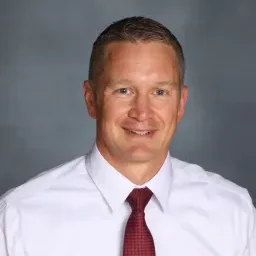
Panelist: Ryan Shoemaker, Principal, Fredericktown High School
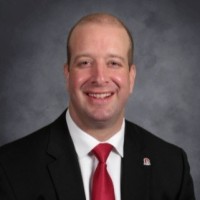
Panelist: Matt Sheridan, Mid-East Career & Technology Center
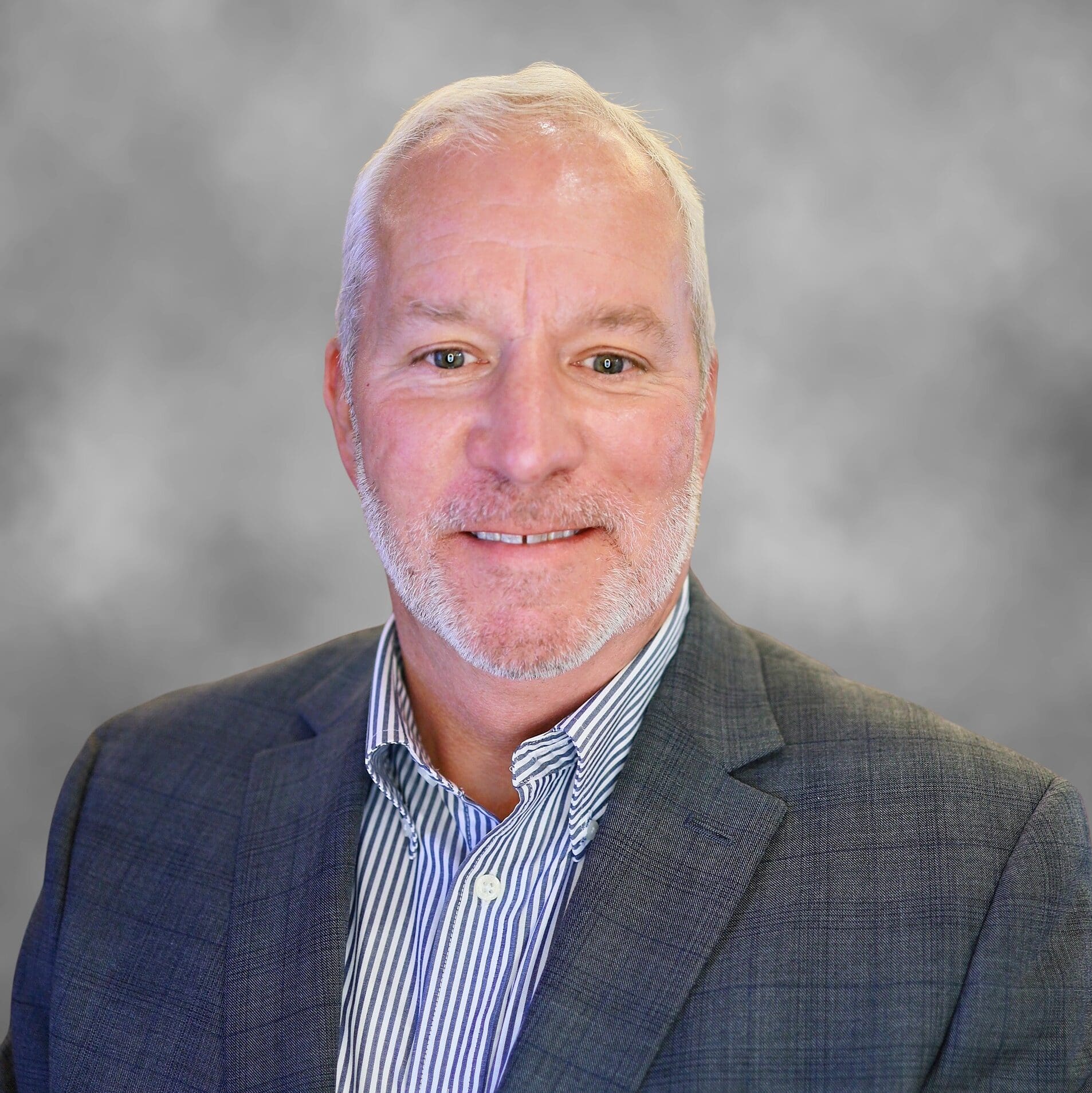
Panelist: Kyle Wolfe, Superintendent, Teays Valley Local Schools
Compliance Is the Floor, Not the Goal
Our final topic asked whether districts are meeting requirements or building meaningful experiences. The answers were honest about the tension.
Matt Sheridan was direct. Meaningful experience is his entire focus. He wants Mid-East to be the resource the surrounding community turns to, not a box anyone checks.
Kyle Wolfe described the balancing act differently. At Teays Valley, roughly 40 to 45 percent of students go on to college. The parents of the other 55 to 60 percent have a fair and pointed question. What is the district doing for my kid?
That question deserves a real answer, and it is one of the strongest arguments for taking career-connected learning seriously. Ryan Shoemaker agreed with both perspectives, which felt like the honest position. You have to satisfy the requirements. You also have to look a family in the eye.
Four Ways These Programs Collide With Your Existing Buildings
Here is the part of the conversation that tends to get discovered late, usually after a design is already fixed. Almost everything the panel described has a physical footprint, and most of it lands in spaces that were never designed to carry it.
Four specific collisions are worth knowing about before you start a facility project.
Career as a “Special” Needs a Room That Does Not Exist Yet
If you follow the Mid-East model and treat career exploration like art or music at the elementary level, you need a dedicated space in the specials rotation. Most elementary buildings were planned with exactly two or three special rooms. Adding a fourth usually means converting a classroom, which reduces your section capacity, or pushing the program onto a cart, which quietly kills it within two years.
The practical question to ask early: if this program succeeds, where does it live permanently, and what does that cost us in general classroom capacity?
Students Coming and Going Breaks the Daily Schedule and the Front Door
Career center attendance, work-based learning, and college credit courses all mean students leaving and returning during the school day. That changes arrival and dismissal patterns, parking demand, bus loop timing, and how many people pass through your secure vestibule at odd hours.
Buildings designed around two traffic events per day do not handle six well. This shows up as a supervision problem and a security problem long before anyone calls it a facility problem.
Hands-On Learning Has Infrastructure Requirements, Not Just Square Footage
The STEM programming students respond to needs power at the table, not at the wall. It needs ventilation if anything gets cut, soldered, or printed. It needs storage for projects that take three weeks, and floor finishes that survive dropped tools.
A room can be the right size and still be the wrong room. Districts often discover this after the fact, when the lab they funded cannot support the equipment a partner employer wanted to donate.
Employer Partnerships Bring Adults Into the Building
The partnerships the panel described depend on industry people coming in to teach, mentor, judge projects, and run demonstrations. That means visitor routing, background check logistics, a place for adults to meet with students that is visible but not disruptive, and parking that does not eat the staff lot.
These are small design decisions with large operational consequences. They are also cheap to solve on paper and expensive to solve after occupancy.
Questions Worth Asking Before Your Next Facility Conversation
If your district is heading toward a renovation, addition, or new building, these questions are useful to work through internally first. They cost nothing, and they will make every later conversation with a design team more productive.
- What will our career-connected programming look like in ten years, and who in our district is responsible for answering that question?
- Which of our current programs are running in spaces that were never designed for them, and what are we giving up to make that work?
- How many students leave our building during the day right now, and what do we expect that number to be in five years?
- If a local employer offered to donate equipment tomorrow, do we have a space that could actually receive it?
- Who from our curriculum and instruction team is in the room when facility decisions get made, and are they there early enough to matter?
- What does our community expect this building to do for the students who are not going to a four-year college?
The districts that work through questions like these before design begins tend to spend less money changing their minds later. The ones that treat programming and facilities as separate conversations usually pay for the gap twice, once in change orders and once in a building that limits what they can offer.
How We Built This Panel, Including Where AI Helped
We closed the session by showing our work, because the process itself demonstrates the point about AI being a tool rather than an answer.
We started with the system we use internally to organize what we know about the people we serve and what makes our approach different. That gave us a starting point, not a script.
Then we did the human part. We met with John and the panelists and listened for what actually mattered to them. Those conversations shaped the direction more than anything else.
From there we used AI to help draft and organize a question set aimed at the specific audience we expected in the room. Our team reviewed every question, cut some, rewrote others, and refined the sequence together. AI produced a first pass. People produced the final version.
This article was written the same way. Faster because of the tool. Better because of the people.
That is a reasonable model for districts still writing their own AI policy. Use it to accelerate the work. Keep human judgment on the final decision. If it is useful, borrow the approach.
Start With a Conversation, Not a Strategy Document
If there was one message running underneath all 40 minutes, it was that progress here comes from contact. Call the career center. Visit the community college. Sit down with the employer that just broke ground in your community. Ask a fourth grade teacher what students get curious about.
None of that requires a budget line or a board vote. It requires an hour and a willingness to ask what someone needs.
Thank you to John Kellogg, Ryan Shoemaker, Kyle Wolfe, and Matt Sheridan for a genuinely useful session, and to BASA for hosting a conversation Ohio districts needed to have.
If you want to go deeper on any of this, the panelists themselves are the best resource. Each of them is doing the work in a different kind of district, and all of them were generous with specifics. Reach out to them. That is what peer learning at BASA is for.
