Stopping Project Drift: The Power of Continuous Client Feedback

You’ve been there before. A project starts with a clear vision and a detailed plan, but by the time it’s complete, the final result has drifted so far from the original goals that it’s barely recognizable. This “project drift” is a common frustration for anyone overseeing complex initiatives, from facility enhancements to large-scale infrastructure projects. The good news is that there’s a straightforward way to prevent it: a continuous client feedback loop.
This isn’t about adding more meetings to your calendar. It’s about creating a structured process for communication that keeps everyone on the same page, from start to finish. By implementing an ongoing feedback system, you can make proactive adjustments, maintain precise alignment with your vision, and ensure that your project is a success.
The Problem: Why Projects Drift Off Course
Projects rarely fail because of a single, catastrophic event. Instead, they slowly veer off track through a series of small, seemingly insignificant misalignments. A minor decision made without your input, a team member’s interpretation of a requirement that doesn’t quite match yours, or a missed opportunity to correct a small error can all compound over time, leading to a final product that misses the mark.
This is especially true for large, complex projects with multiple stakeholders. When you’re managing the expectations of a board, investors, or the public, even small deviations can have significant consequences. The traditional project management model, where a plan is created and then executed with minimal input until the “big reveal,” is a recipe for this kind of misalignment. It leaves too much room for assumptions and too little opportunity for course correction.

How It Works: A System for Guaranteed Alignment
A truly effective feedback loop isn’t just a single action; it’s a multi-layered system designed to capture feedback at every level of the project. This ensures that communication is constant, honest, and actionable. A practical system guarantees project alignment from kickoff to closeout through four key components.
1. Creating Space for Every Voice in Every Meeting
In many project meetings, a few dominant voices can overshadow quieter team members who may have valuable insights. To counter this, we conclude every meeting with a “plus/delta” exercise. Each participant shares one thing that went well (a plus) and one thing that could be improved for the next meeting (a delta). This simple practice ensures that all opinions are heard, not just the loudest, and provides a safe, structured way to give feedback. It also refines the meeting process itself, making every interaction more efficient and reinforcing positive outcomes.
2. Formal Check-Ins at Every Project Milestone
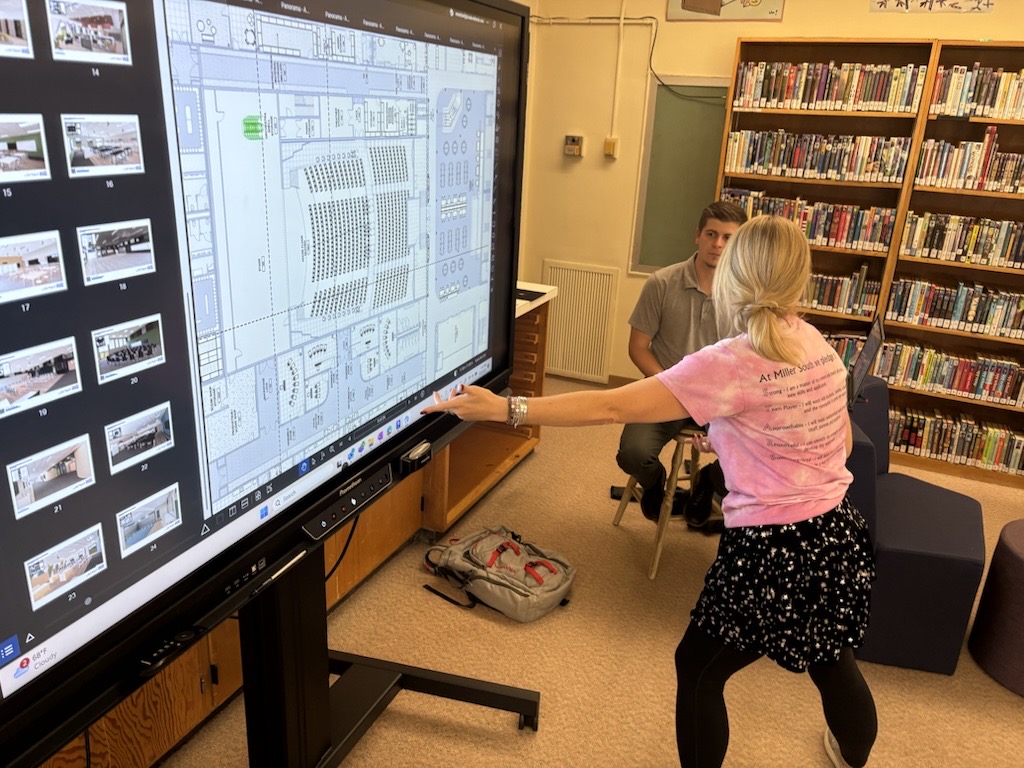
Waiting until the end of a project to review what worked is too late. At the completion of every major project phase—from pre-design and schematic design through construction and closeout—our project manager conducts a formal check-in with your team leaders. This structured review process allows for course correction at critical junctures. It gives you predictable points to assess progress against the budget and schedule, ensuring fiscal responsibility and demonstrating a clear return on investment to stakeholders.
3. Confidential, High-Level Partner Check-Ins
Sometimes, the most important feedback is the hardest to give in a group setting. The Partner in charge of your project schedules regular, private check-ins with your leadership, intentionally held without the full project team present. This creates a confidential channel for you to speak freely about concerns without worrying about team dynamics. These meetings are focused on two things: gathering direct, constructive feedback and, most importantly, confirming the project is staying in perfect alignment with your high-level strategic vision.
4. Custom-Tailored Stakeholder and Community Engagement
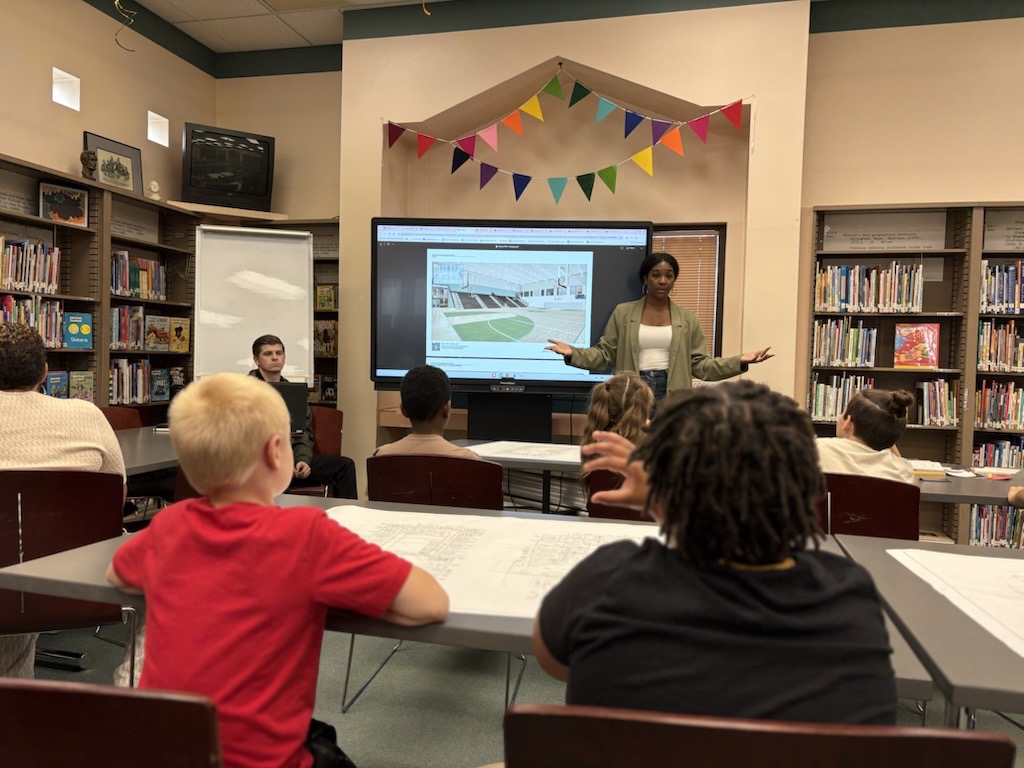
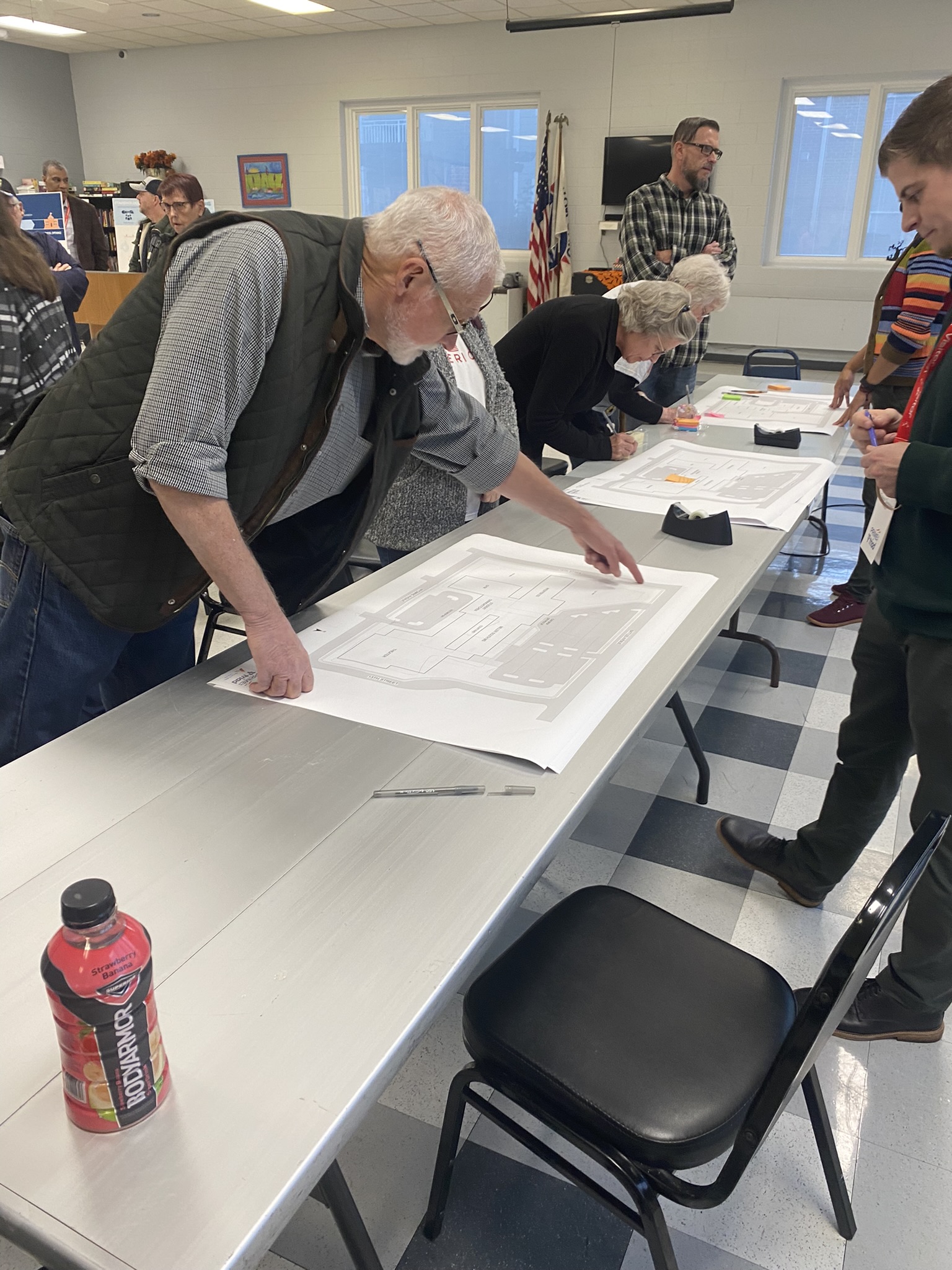
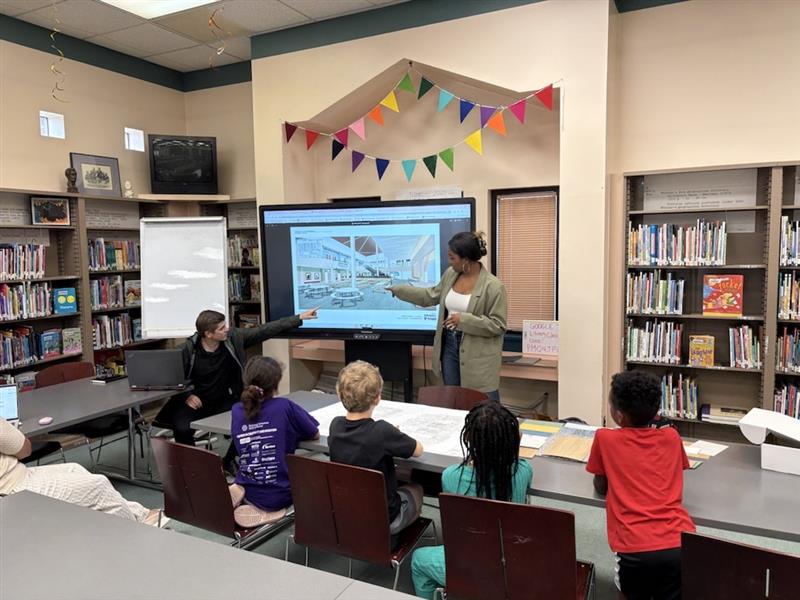
Generic feedback methods don’t work for diverse stakeholder groups, from technical staff to the general public. We design and implement custom engagement systems tailored to the specific needs of each group. This could involve shadowing technical teams to document their workflows, facilitating town halls for community members, or running workshops with students and staff. Crucially, we always “close the loop” by reporting back to participants to explain how their feedback was incorporated or why it couldn’t be, whether due to budget, code, or other constraints. This transparency is essential for maintaining public trust and securing stakeholder buy-in, ensuring complete project alignment.
The Benefits: More Control, Better Outcomes
Implementing a continuous feedback loop has a number of significant benefits. First and foremost, it gives you more control over the final outcome. By providing regular input, you can ensure that the project stays in alignment with your vision every step of the way. This eliminates the risk of unpleasant surprises at the end of the project and ensures that you get the result you want.
Second, it leads to better outcomes. By catching and correcting misalignments early, you can prevent them from snowballing into larger problems. This results in a higher-quality final product that is more likely to meet the needs of your stakeholders. Whether you’re trying to enhance your market position or maximize the public benefit of a project, a continuous feedback loop is the surest path to success.
Finally, it builds trust and strengthens relationships. When you work in a collaborative, transparent way, you build a stronger, more effective partnership with your project team. This leads to better communication, more creative problem-solving, and a more enjoyable and successful project for everyone involved.
Your Path to Perfect Project Alignment
If you’re tired of projects that start with a clear vision and end in disappointment, it’s time to embrace a new approach. A continuous client feedback loop is a simple, powerful tool that can help you maintain precise alignment with your goals, from start to finish. It’s a shift in mindset from reactive problem-solving to proactive alignment, and it’s the key to ensuring that your vision is successfully realized.