
Design That Works for Today and Endures Tomorrow: Triad’s Balanced Design Philosophy
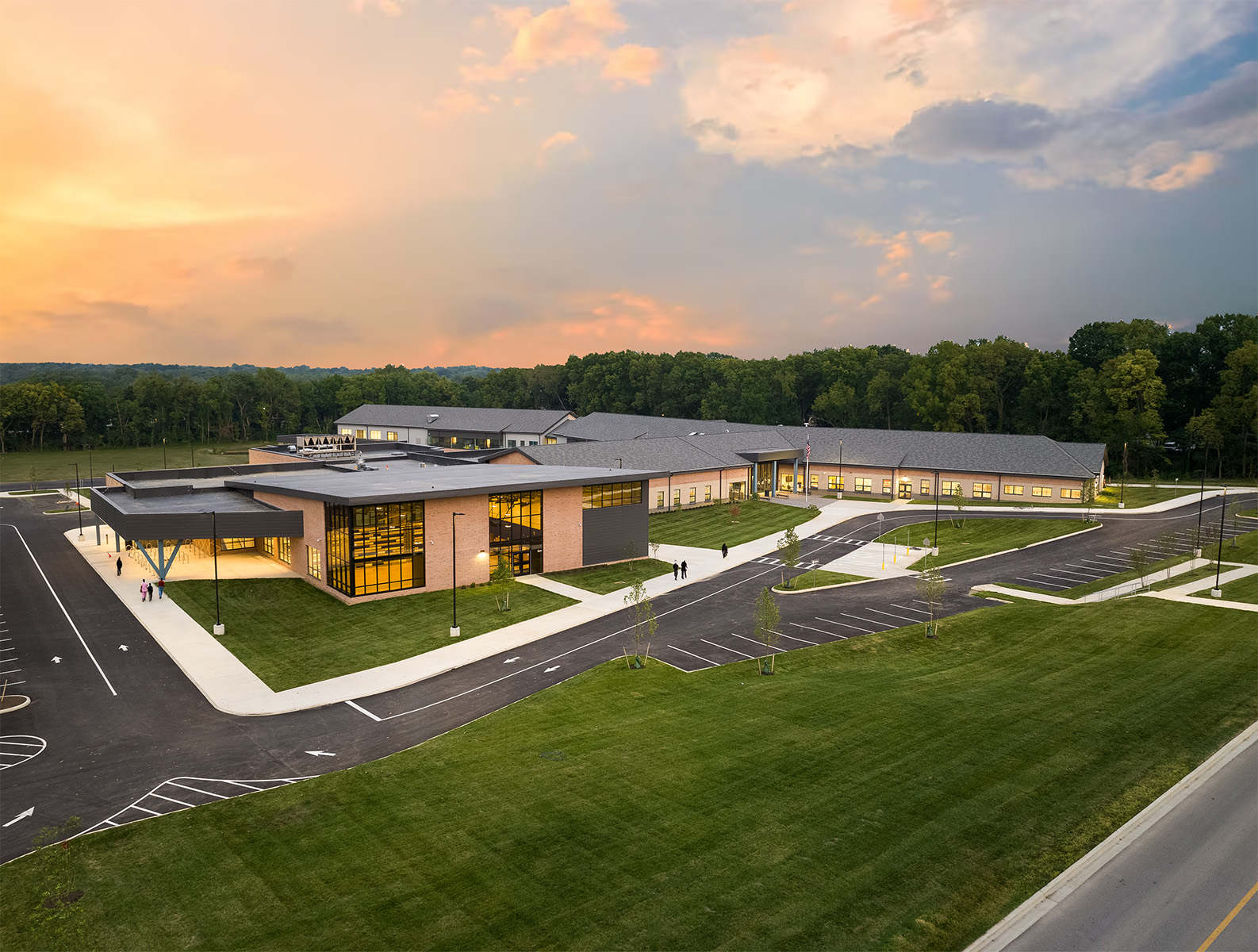
At Triad, we believe you shouldn’t have to choose between inspiring spaces and practical execution. Our balanced design approach creates award-winning environments that both inspire users and deliver on budget and schedule commitments. This isn’t just a philosophy—it’s our proven process that transforms your vision into measurable advantages.
What Balanced Design Means
Balanced design is the integration of six guiding principles:
|
Principle
|
What It Means
|
|---|---|
|
Functionality
|
Spaces must work efficiently, safely, and clearly.
|
|
Human Experience
|
Design should support how people learn, work, heal, gather, or serve.
|
|
Community Benefit
|
Every investment should return value to the people it serves.
|
|
Sustainability and Longevity
|
Flexibility and durability are woven into the space from the start.
|
|
Communication and Clarity
|
Processes and decisions should be easy to follow and collaborative.
|
|
Cost Responsibility
|
Smart design must also be responsible to operational budgets and the future.
|
These principles are never separate. Each one influences the others, allowing our solutions to serve multiple purposes, grow over time, and remain easy to manage. That mindset reflects our purpose: creating an enduring future.
This balanced approach isn’t accidental. It’s delivered through our proven process that unites inspiring design with reliable performance. Unlike firms that treat aesthetics and practicality as competing priorities, we’ve developed systematic methods to achieve both simultaneously, ensuring you never have to compromise between what looks good and what works well.
Strengthening Your Competitive Position
Every facility decision impacts your market position. Our balanced design approach ensures your spaces not only function efficiently but also create distinctive environments that elevate your stakeholders’ experience. By integrating both technical excellence and inspirational elements, we help you demonstrate clear ROI while enhancing your competitive advantage.
Maximizing Public Value
Public resources demand responsible stewardship. Our balanced design methodology ensures every investment delivers maximum community benefit while maintaining operational efficiency. We help you demonstrate clear taxpayer value through spaces that both inspire users and perform reliably for decades.
How We Practice Balanced Design
Listening Before Solving
We begin every project by authentically engaging with stakeholders to ensure every voice shapes the outcome. When success is defined from multiple perspectives, design aligns more closely with real needs and daily operations.
Designing With Operations in Mind
A facility that is expensive or difficult to maintain is not a long-term solution. Our analytical process evaluates each design decision against both immediate needs and long-term performance, aligning choices with operational efficiency, maintenance expectations, and lifecycle cost to protect both the initial investment and the future budget.
Planning for Change
Needs shift over time. By integrating adaptability into every project, we help clients avoid starting over when conditions change. Our innovative approach transforms standard facilities into high-performing environments with smart flexibility that reduces future complications and preserves value.
Communicating Clearly
We are communicators at our core. You can rely on our consistent delivery of straightforward language, visual tools, and transparent documentation so that complex decisions feel understandable and collaborative.
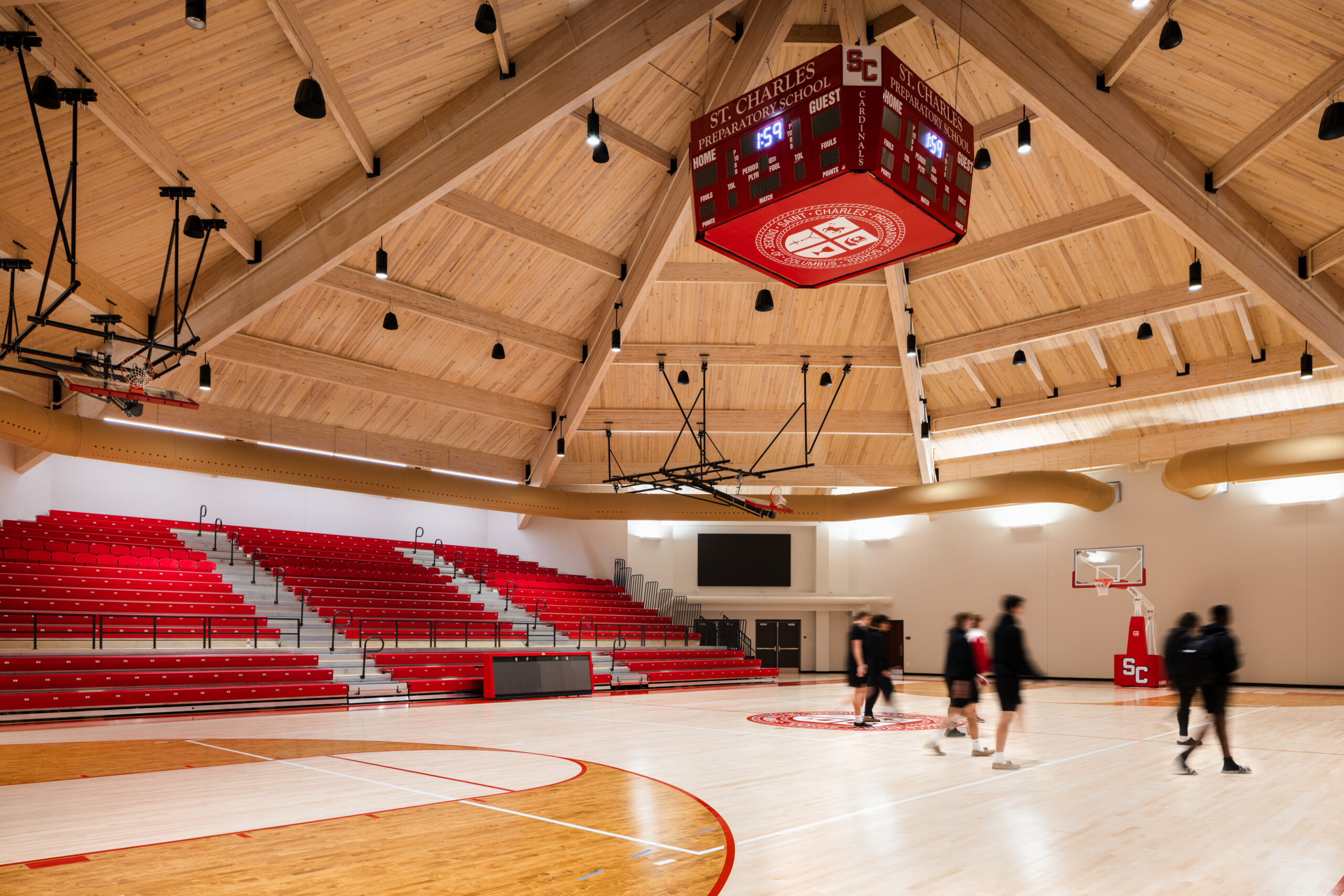
Convocation Center, St. Charles Preparatory School
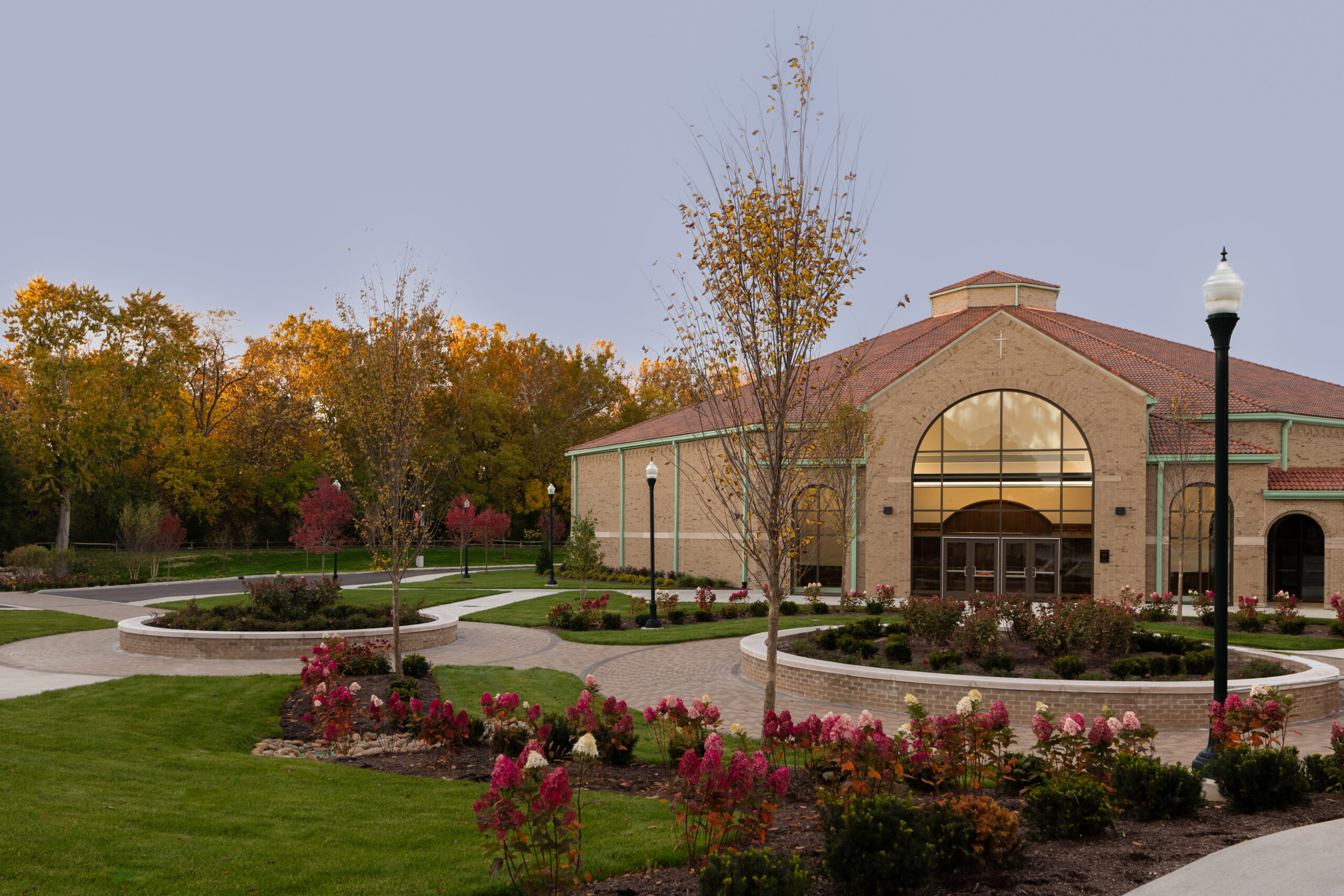
Convocation Center, St. Charles Preparatory School
Design Rooted in Community
These examples illustrate our balanced design philosophy at work:
St. Charles Preparatory School – Convocation Center and Brotherhood Center
Tradition and innovation stand at the heart of St. Charles’ philosophy. When designing their Convocation Center, we faced a significant challenge: matching the historic tile roofs found elsewhere on campus while managing budget constraints. Traditional tile not only carried higher material costs but would require a substantially more expensive structural system due to its weight and the building’s large clearspan design.
Our solution balanced aesthetics with practicality. Working with construction partners, we identified a synthetic tile that matched the traditional appearance but weighed significantly less. We used traditional tile on the lower, more visible portions that directly abutted historic structures, while applying the synthetic alternative on upper portions over clearspan spaces. This strategic approach reduced structural requirements and significantly lowered costs while preserving the school’s architectural heritage.
The project also required maintaining school operations during construction while satisfying four governing bodies and neighboring residents. Our analytical approach led to a phased implementation: building the Convocation Center first, then constructing the Brotherhood Center on the old gym site once the new facility was operational.
Finding the optimal location required balancing multiple stakeholder perspectives. Through our structured engagement process, we transformed what began as a contentious situation into one where governing bodies and neighbors became project champions—so much so that one neighbor painted a picture of the school as a gift to the Head of School.
The measurable outcome? St. Charles has seen an 8% year-over-year enrollment increase since announcing these projects, now celebrating the largest student body in school history. This demonstrates how our balanced design approach not only delivers inspiring spaces but also strengthens market position and operational excellence.
Pataskala Public Library
When Pataskala Public Library passed a levy for an addition just before the COVID-19 pandemic, they faced significant challenges: delayed project start, dramatic construction inflation, and a public utility easement they believed would make connecting new and existing spaces impossible within their constrained budget.
Rather than presenting a traditional PowerPoint during our interview, we took a collaborative problem-solving approach. We prepared three potential layout options on trace paper, each intentionally different to elicit responses about advantages and disadvantages. During the interview, we brought trace paper and markers, tackling their challenges together in real-time.
This innovative engagement process revealed a solution that would connect the buildings while strategically eliminating some spaces and cleverly combining others to right-size the project to their budget. Throughout this process, we maintained focus on creating inspirational spaces that would serve the community effectively.
The result? A library that balances fiscal responsibility with community needs, driving increasing visitor numbers and demonstrating clear taxpayer value through both functionality and inspiration.
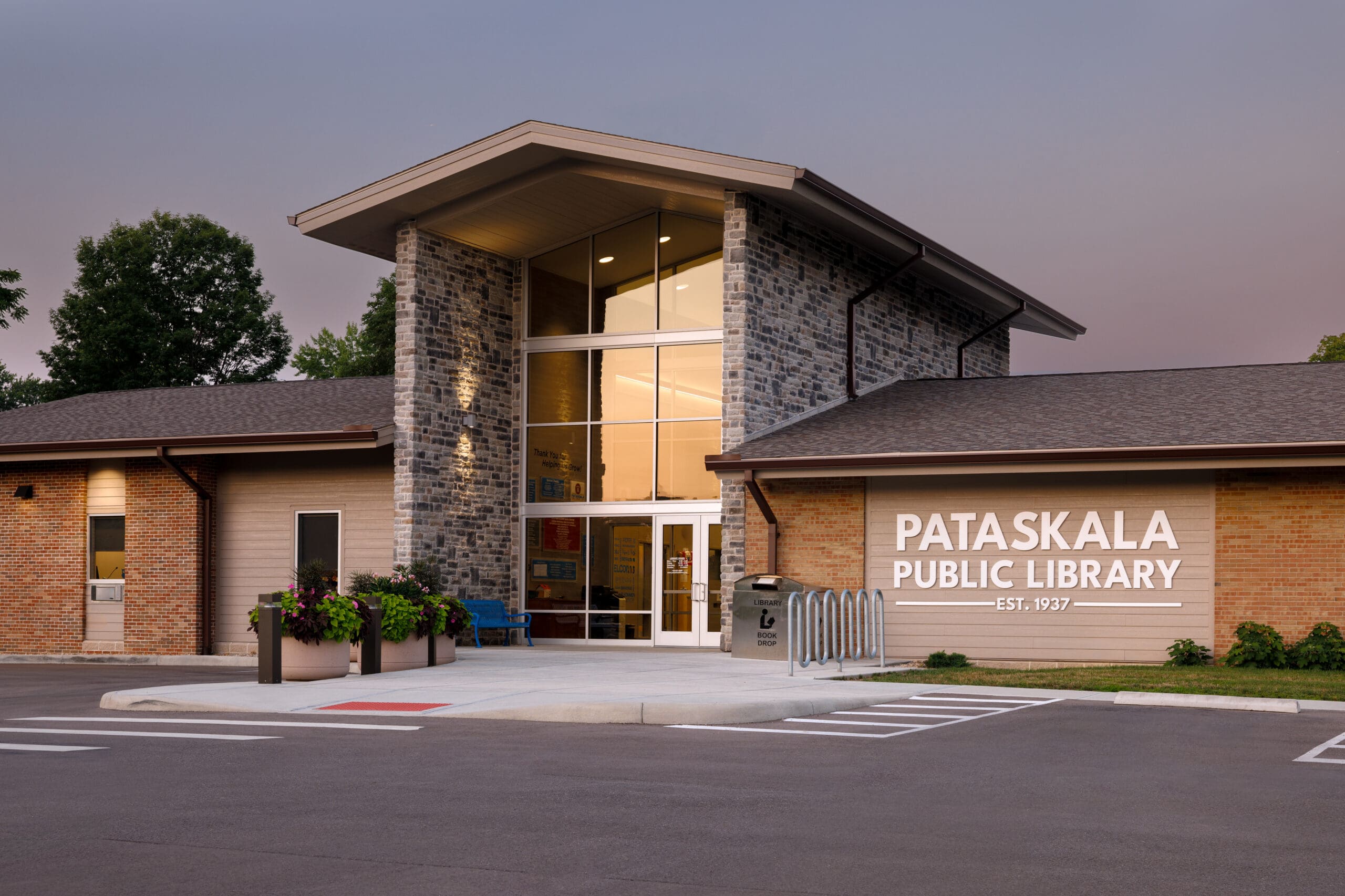
Pataskala Public Library
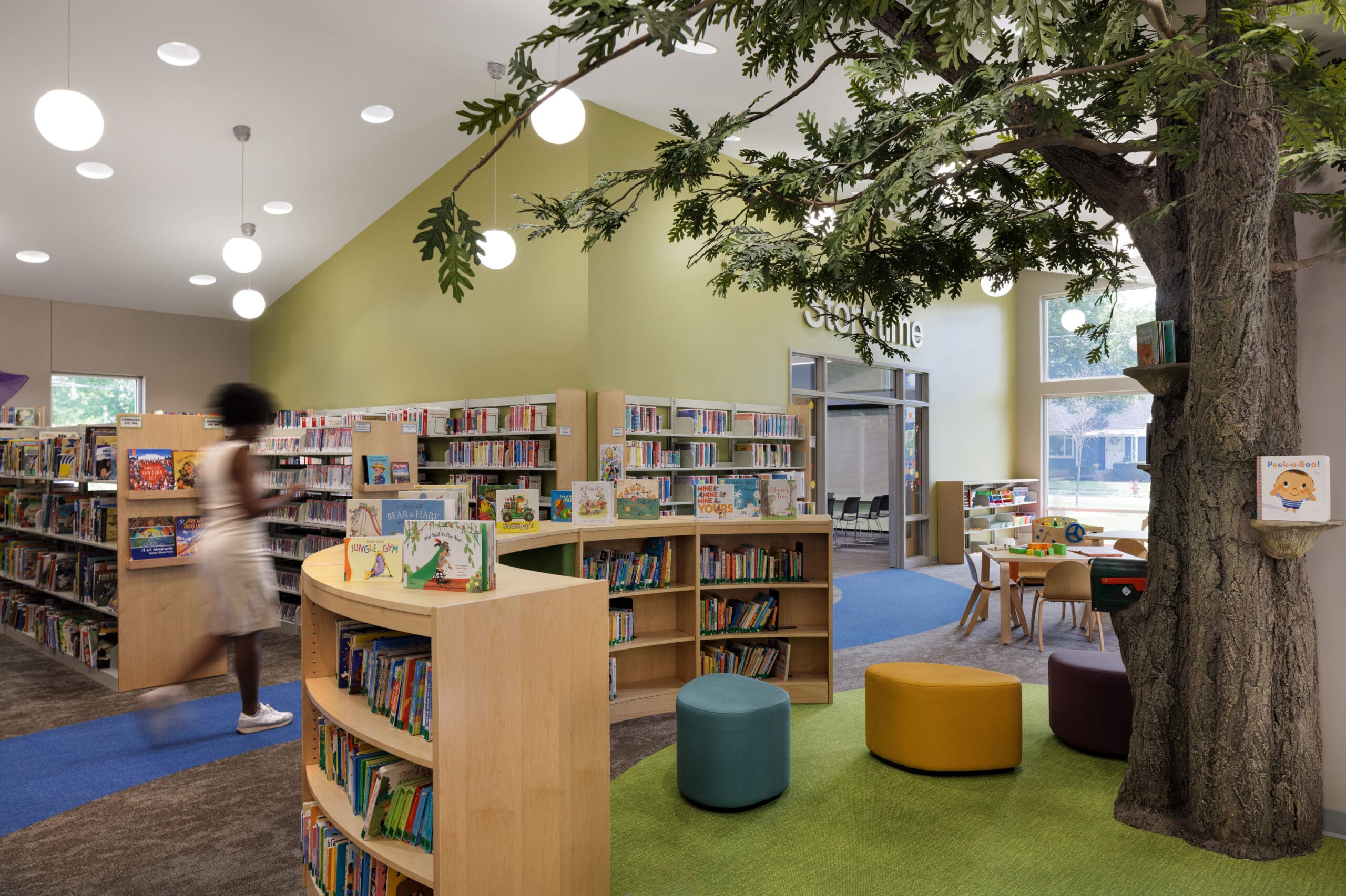
Pataskala Public Library
Delaware City Schools
Delaware City Schools initially engaged us to complete a Facility Master Plan addressing their challenges. Through extensive community deliberation, we developed a series of additions and renovations across multiple buildings that earned community support, resulting in a successful levy and bond issue.
Each site presented unique operational challenges. Our designs maintained school functionality with minimal disruption while incorporating future expandability to ensure that subsequent renovations would be equally non-disruptive. Spaces were designed with flexibility and adaptability to accommodate the community’s evolving needs.
This project exemplifies our commitment to balancing immediate requirements with long-term vision, creating environments that serve today’s students while adapting to tomorrow’s educational approaches—all while demonstrating responsible stewardship of public resources.
Columbus Idea Foundry
What began as a preliminary meeting unexpectedly became a project interview for transforming an old shoe factory into what would become the largest makerspace and co-working facility in the world at that time. When another firm quoted a cost ten times their budget, we responded with a simple question: “How much can you afford?”
We then collaborated to identify a viable first phase that would make the space operational within their means. This required countless volunteer hours from their members, with our team contributing their own time to help. The success of this initial phase impressed a potential donor who decided to become an investor, providing capital for the entire vision.
Even with secured funding for the second phase, we needed to be incredibly resourceful. Our design focused on minimal interventions to make the space work, keeping new elements clean and modern to highlight the building’s historic patina in unique ways. Throughout construction, the first phase remained operational to maintain business continuity.
The resulting project, recognized with an American Institute of Architects award, became one of the first major catalysts for neighborhood revitalization—all achieved through creative problem-solving and efficient resource allocation that balanced inspirational design with practical constraints.
Pointview Elementary School
At Pointview Elementary, our process began with meaningful engagement—listening directly to students and staff. This collaborative approach yielded two powerful examples of how thoughtful design can transform functional spaces into meaningful experiences without increasing costs.
When we learned about the school’s remarkable diversity, we saw an opportunity to make the secure vestibule—typically a utilitarian security checkpoint—into a welcoming first impression for families. We created a simple welcome wall featuring “hello” in every language spoken by the students. This cost-effective solution transformed what could have been a sterile security space into a warm, inclusive entry point that celebrates the community’s cultural richness.
Our stakeholder engagement also revealed a student named Emma who dreamed of having a “glass roof” in her school. While the budget couldn’t accommodate a glass roof throughout the entire building, we identified an opportunity in the connector between the renovated existing building and the new addition. We designed a glass-roofed tunnel that the project could afford and commemorated Emma’s inspiration with a sign designating it as “Emma’s Glass Roof.”
These community-inspired solutions demonstrate how our balanced design approach transforms practical requirements into meaningful experiences without unnecessary costs. By listening carefully to stakeholders and applying creative problem-solving, we created spaces that students, teachers, and families genuinely want to be in—enhancing both the educational environment and community connection while maintaining fiscal responsibility.
This project exemplifies how our process delivers both measurable public value through responsible resource management and enhanced stakeholder experience through thoughtful, human-centered design.
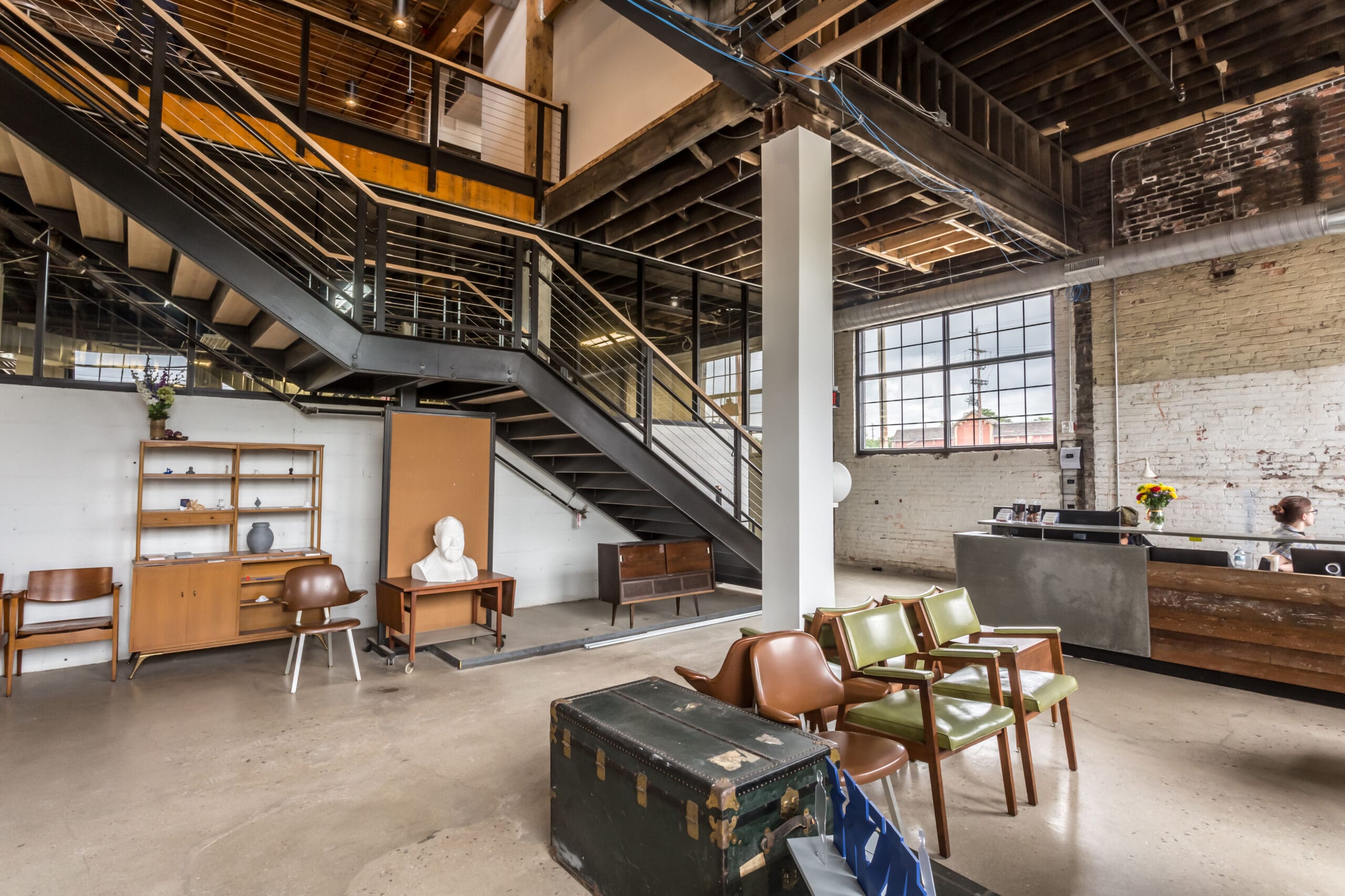
Columbus Idea Foundry
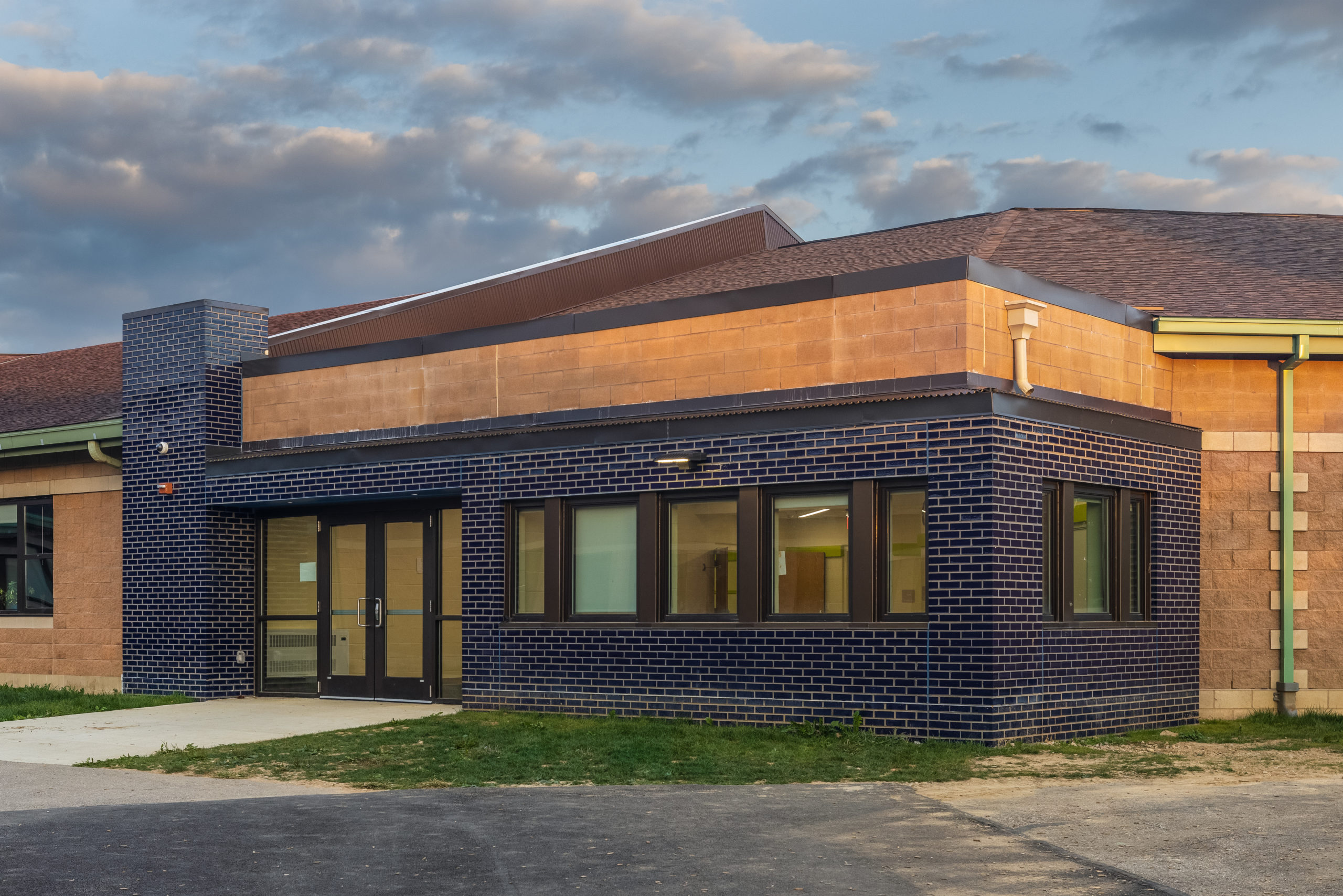
Schultz Elementary School, Delaware City Schools
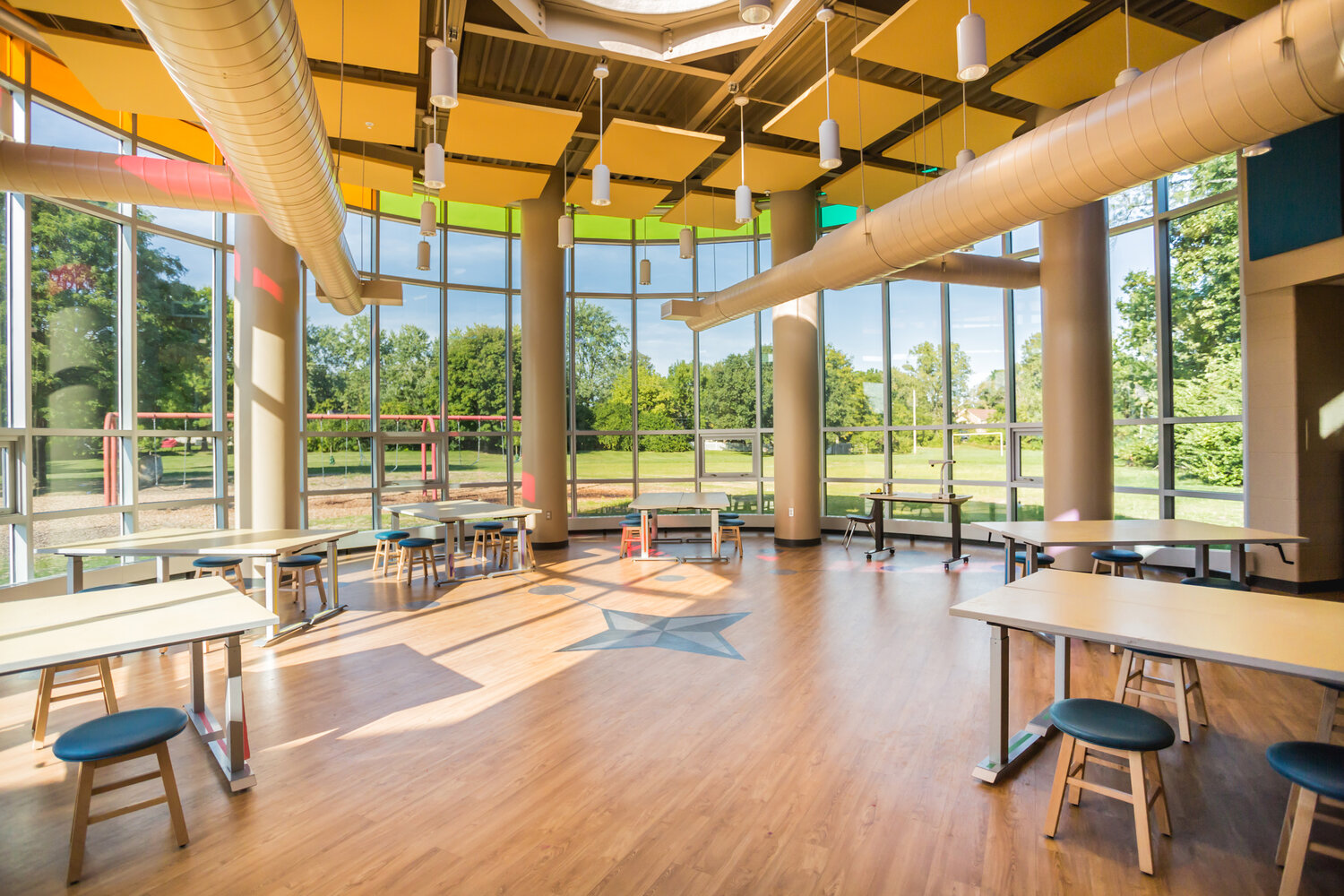
Pointview Elementary School, Westerville City Schools
Del-Co Water
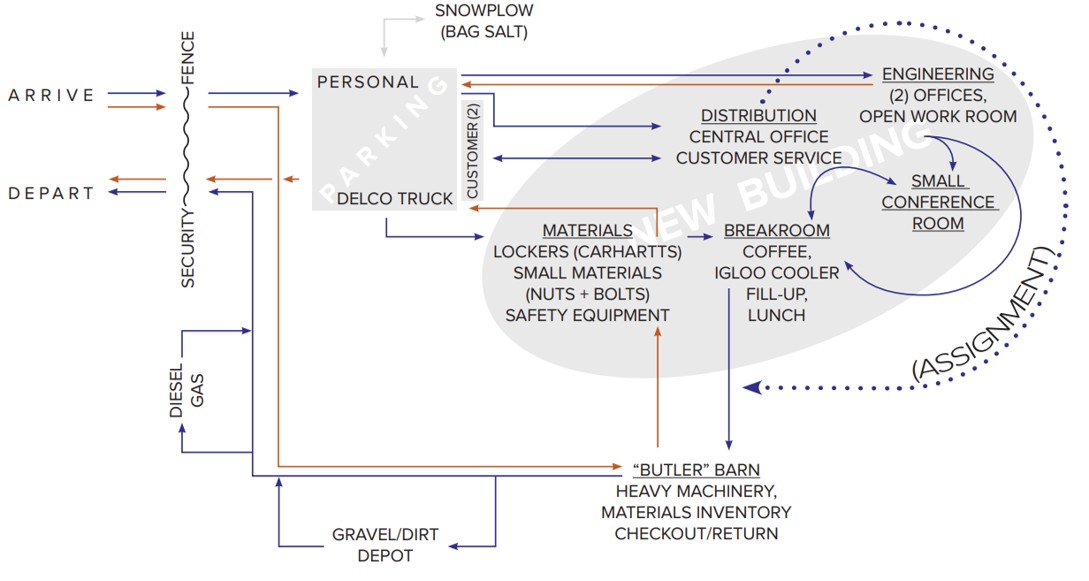
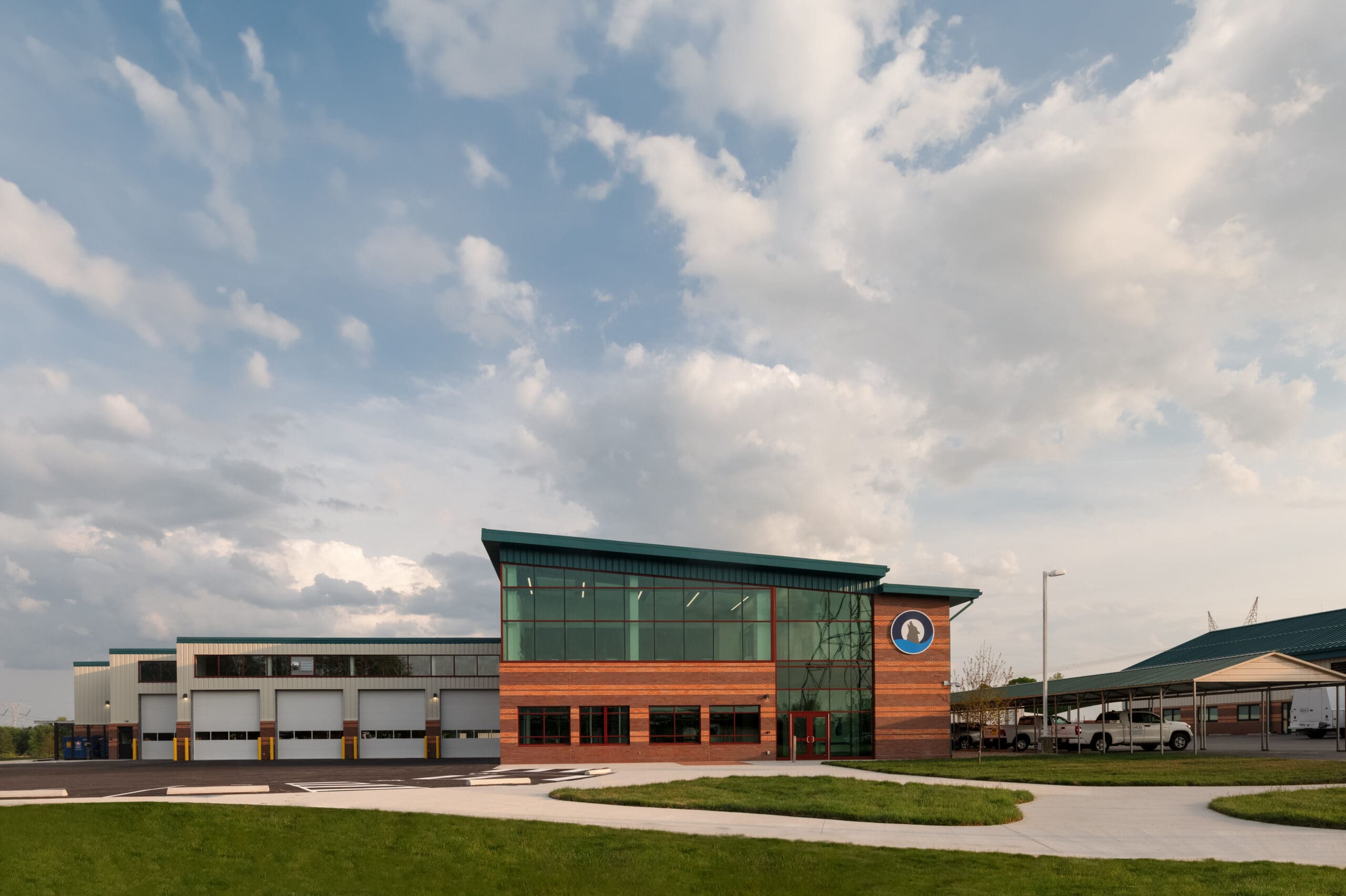
We have been working with Del-Co Water throughout our entire existence as a firm. Several years ago, they asked us to undertake a master planning effort that would reimagine their main campus. The anchor project to that master plan is the Wolfe Center, which combines maintenance facilities, training facilities, and engineering team offices to serve as a hub for their campus.
During the design process, we shadowed their team to document and understand their workflows and processes. This allowed us to create spaces that maximize efficiencies for their operations. However, it was equally important to them that we create a space they could be proud of—one that showed their team how much they were appreciated.
The resulting design balanced elevated aesthetics with practical efficiency, earning recognition as the Best Industrial Project by Columbus Business First and being featured in the International Facility Management Association’s quarterly publication. Perhaps most telling of the project’s success is that organizations from across the state now request to rent the training facilities for their own events and training needs.
This project demonstrates how our balanced design approach can transform utilitarian infrastructure into both a high-performing operational asset and a source of organizational pride—delivering measurable advantages in both efficiency and market position.

Del-Co Water

Del-Co Water
Del-Co Water
Wolfe Water Center, Del-Co Water
Minerva France Elementary School / Minerva Park Elementary School
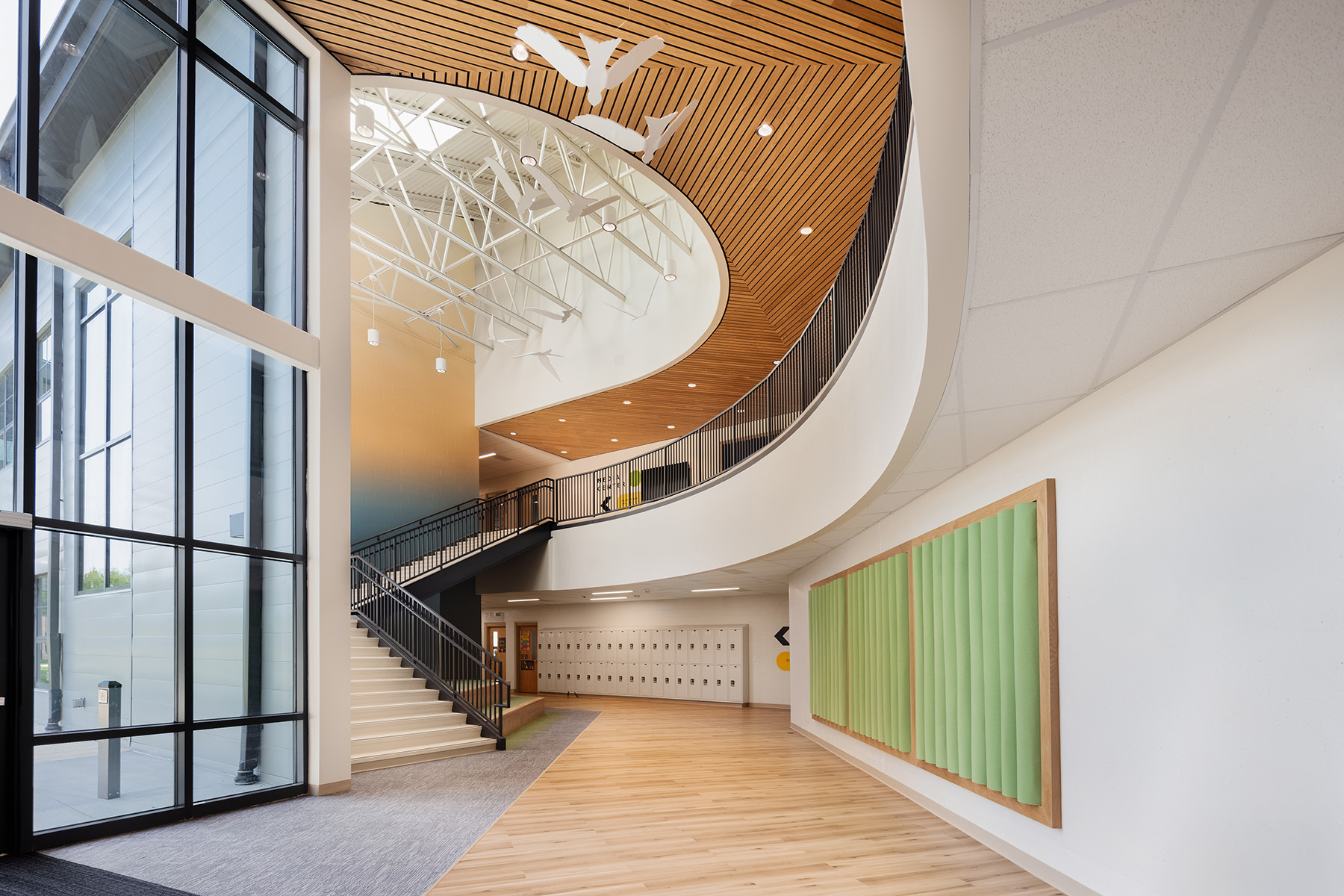
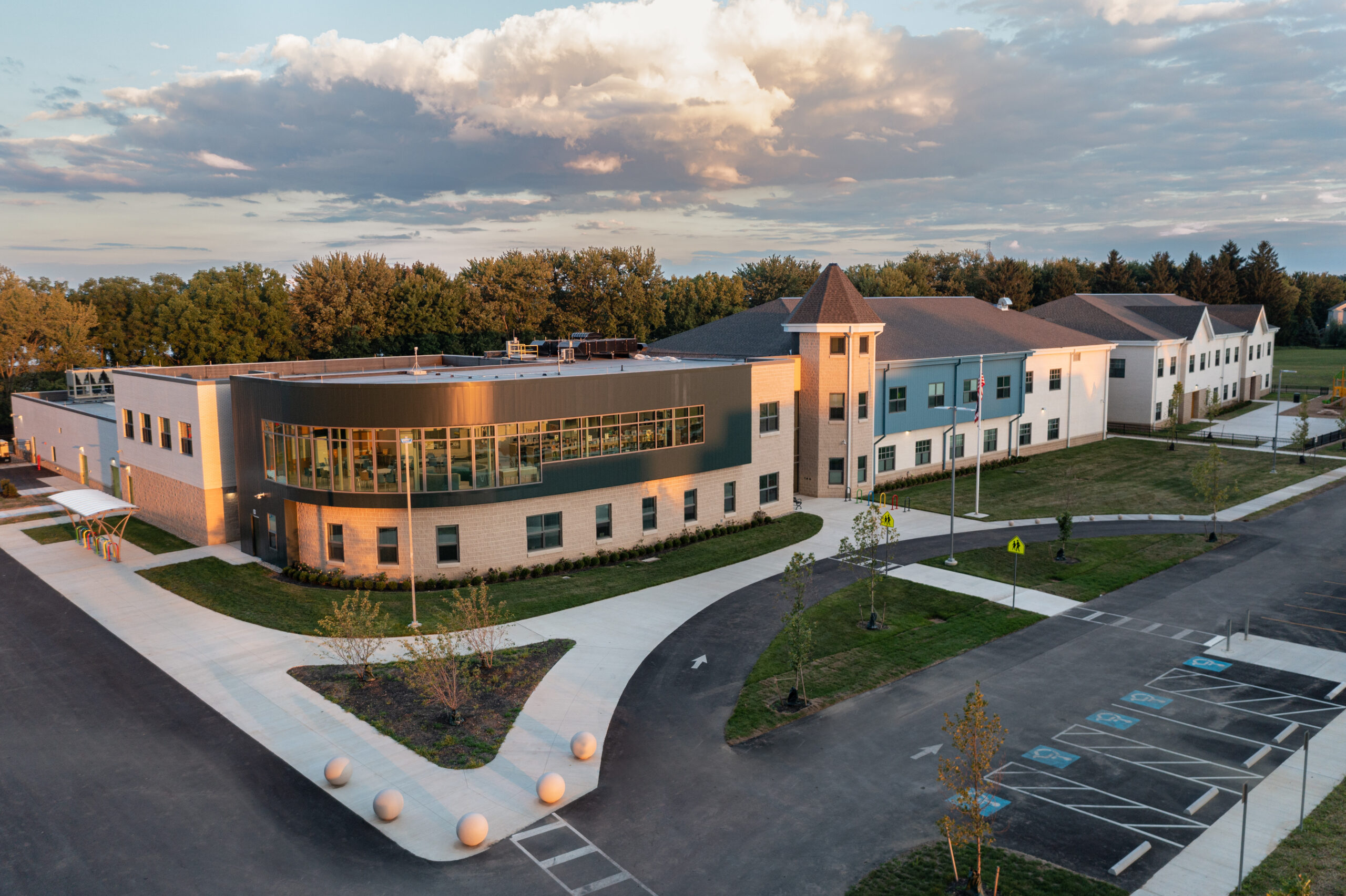
The true measure of successful design goes beyond awards and recognition. While both Minerva France and Minerva Park Elementary Schools achieved the highest honors from the American Institute of Architects (AIA) and International Interior Design Association (IIDA), their most meaningful success lies in the human experience they create.
Both projects were delivered on budget, on schedule, and to the quality standards the district expected—demonstrating our commitment to responsible stewardship of public resources. They’ve become showcases for innovation in educational facility design, hosting countless tours for groups seeking to understand how thoughtful design can enhance learning environments.
However, what truly matters is how these spaces transform the daily experience of students and staff. During final inspections at one of the schools, our project manager encountered a young teacher on FaceTime with her mother, moved to tears of joy as she explained how happy she was to teach in the new building.
This emotional response represents the ultimate validation of our balanced design approach. By uniting technical excellence with human-centered design, we created spaces that not only function efficiently but also inspire pride and joy in the people who use them every day. There is no greater satisfaction than knowing we’ve created places where people want to be and feel proud to do their work.
These projects demonstrate how our approach delivers measurable outcomes for both public stakeholders—through responsible use of resources and enhanced educational environments—and for the individuals who experience these spaces daily, strengthening both community value and operational excellence.
Minerva Park Middle School, Westerville City Schools
Minerva France Elementary School, Westerville City Schools
Westerville South High School
Westerville South faced challenges common to many Ohio schools: a maze-like building created through uncoordinated additions that was difficult to navigate and uninspiring. The district determined replacing the building wasn’t fiscally responsible, so we tackled the challenge of expanding capacity, updating antiquated areas, and unifying the facility into an inspirational space—all while working within a funding model requiring separately bid phases over time.
Our solution began with a unified master plan that right-sized classrooms, updated existing spaces where possible, and created a cohesive design aesthetic using color themes for intuitive wayfinding. Strategic interventions created unique, inspiring spaces throughout the building.
To maintain operations during construction, we developed a phased approach: first building the gym addition, then adding a floor to the old auxiliary gym to create new classroom spaces. As each renovated area was completed, students moved into the finished spaces, allowing the next phase to begin. We also added flexible project-based learning areas to break up long corridors and provide spaces for both formal and informal gathering.
This project demonstrates how our balanced design approach transforms challenging existing conditions into opportunities for innovation while maintaining operational continuity and fiscal responsibility.
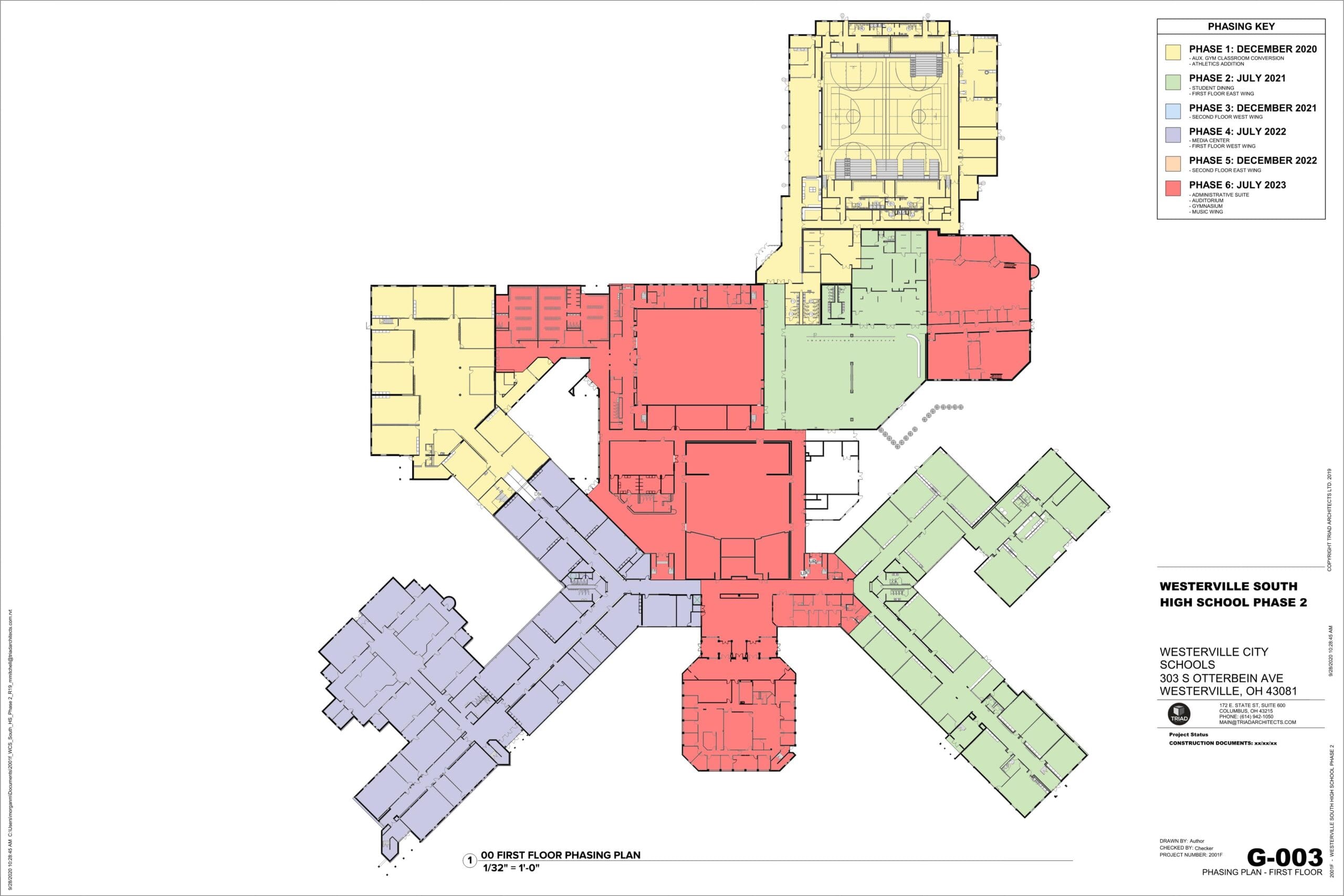
South High School - Phasing Plans
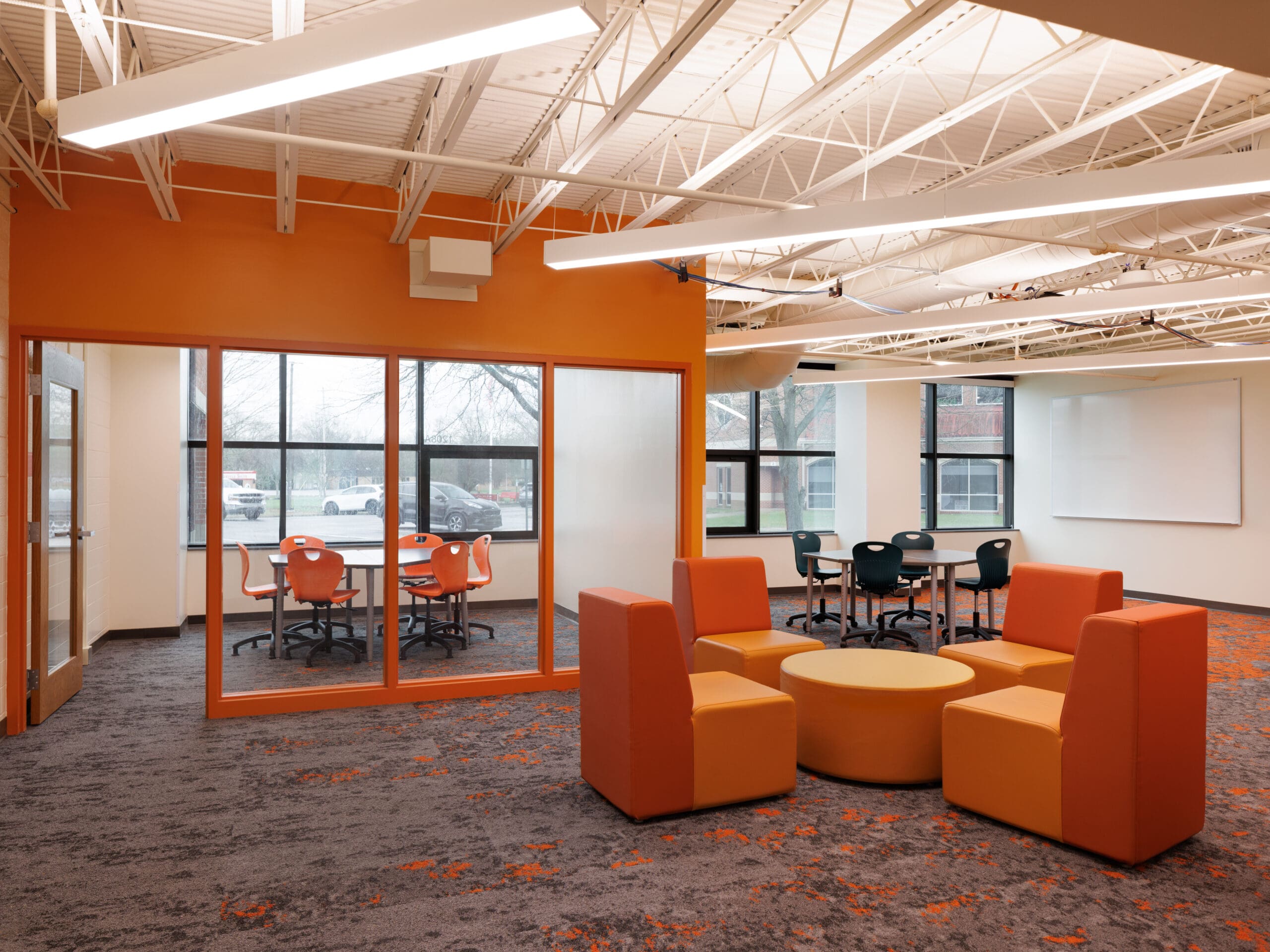
South High School, Westerville City School
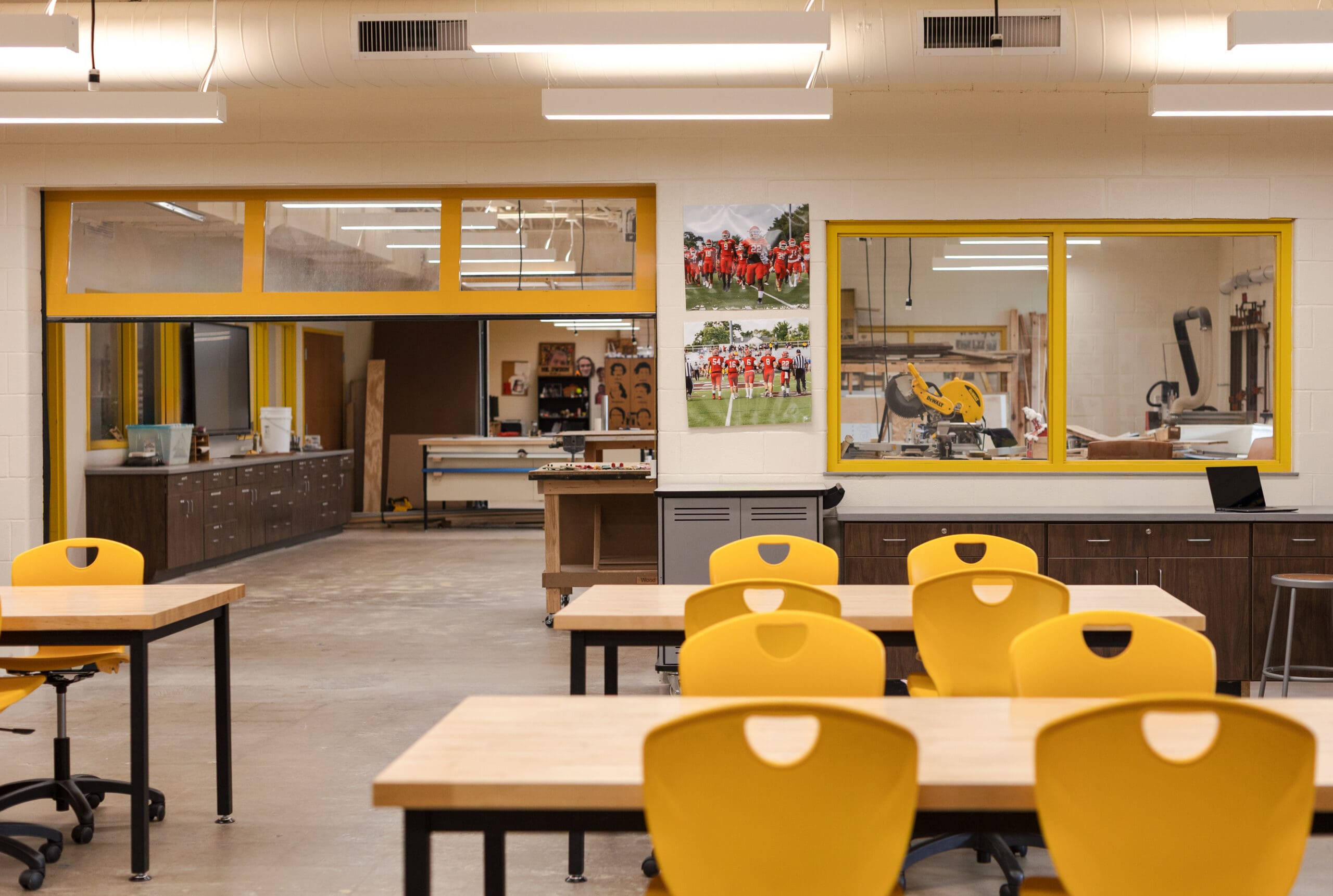
South High School, Westerville City School
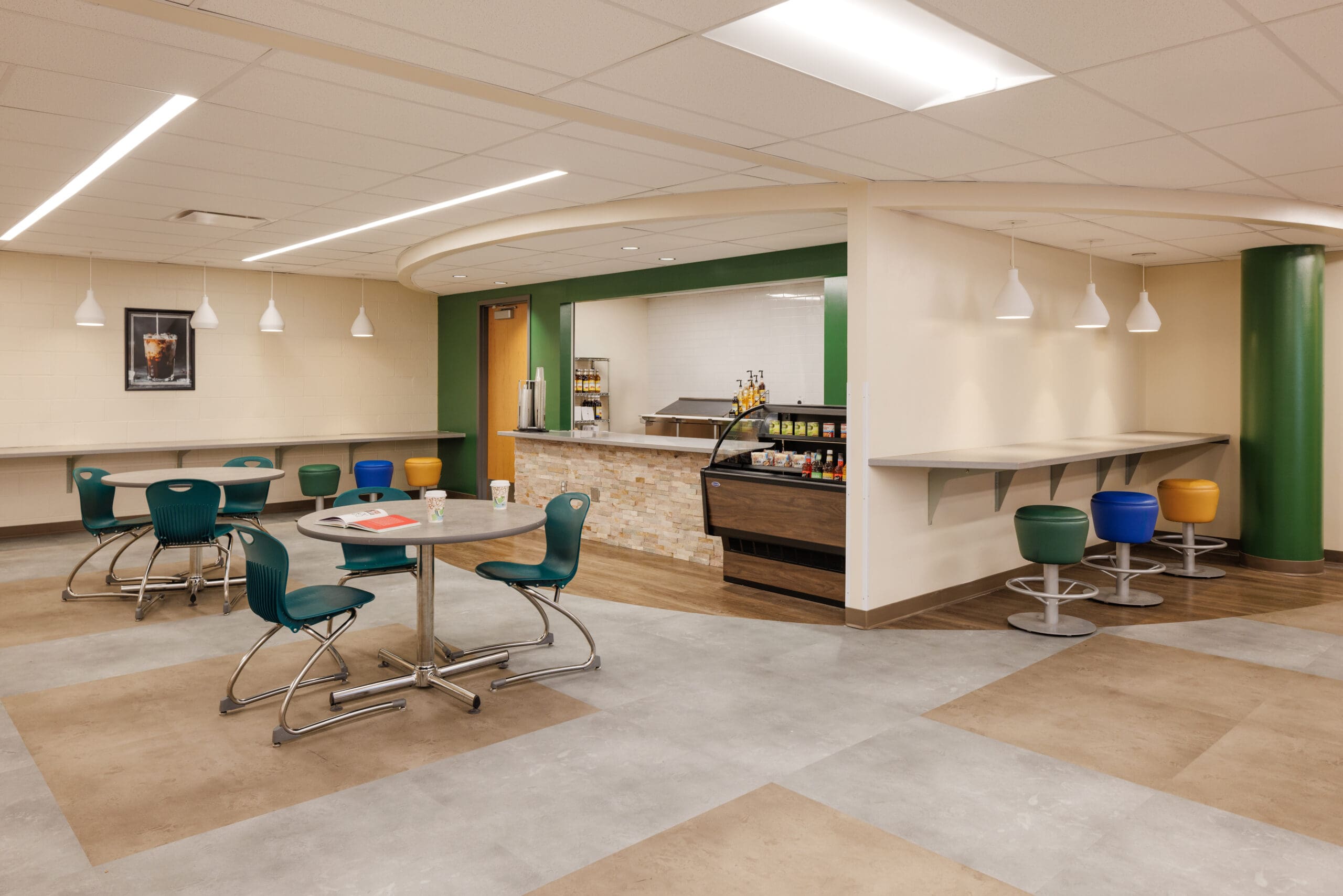
South High School, Westerville City School
Why Balanced Design Matters
Many of our partners in education, public service, and infrastructure face similar pressures. They must balance cost, compliance, community, efficiency, safety, and long-term responsibility while maintaining daily operations. They ask important questions:
- How does this benefit the community?
- Can we maintain operations during construction?
- How will we justify cost and long-term value?
- Can this space adapt to future needs?
- How do we communicate decisions to our stakeholders?
Balanced Design addresses each of these concerns directly. It brings structure and innovation into the same conversation, making design both practical and inspiring.
The Outcome
When design is balanced, success becomes easier to measure. Schools become catalysts for learning. Community service buildings become trusted resources. Infrastructure becomes easier to maintain and more efficient to operate. Facilities begin to serve people more fully and last longer with less strain.
That is our commitment on every project. Through our balanced design approach, you’ll enhance your position while maintaining operational excellence—creating spaces that not only serve your immediate needs but continue delivering value for generations.
Our Commitment
Triad creates high-performing, creative, innovative, and inspirational places. We maintain warm, safe, and dry environments so our clients don’t have to. We build community through responsible improvement of real estate assets.
Balanced Design is not an added service. It’s our proven process. It shapes every project we deliver and every decision we make, ensuring you never have to compromise between inspiring spaces and practical execution.
