
A Proven Process for Transforming Diverse Stakeholder Needs into Unified Project Solutions
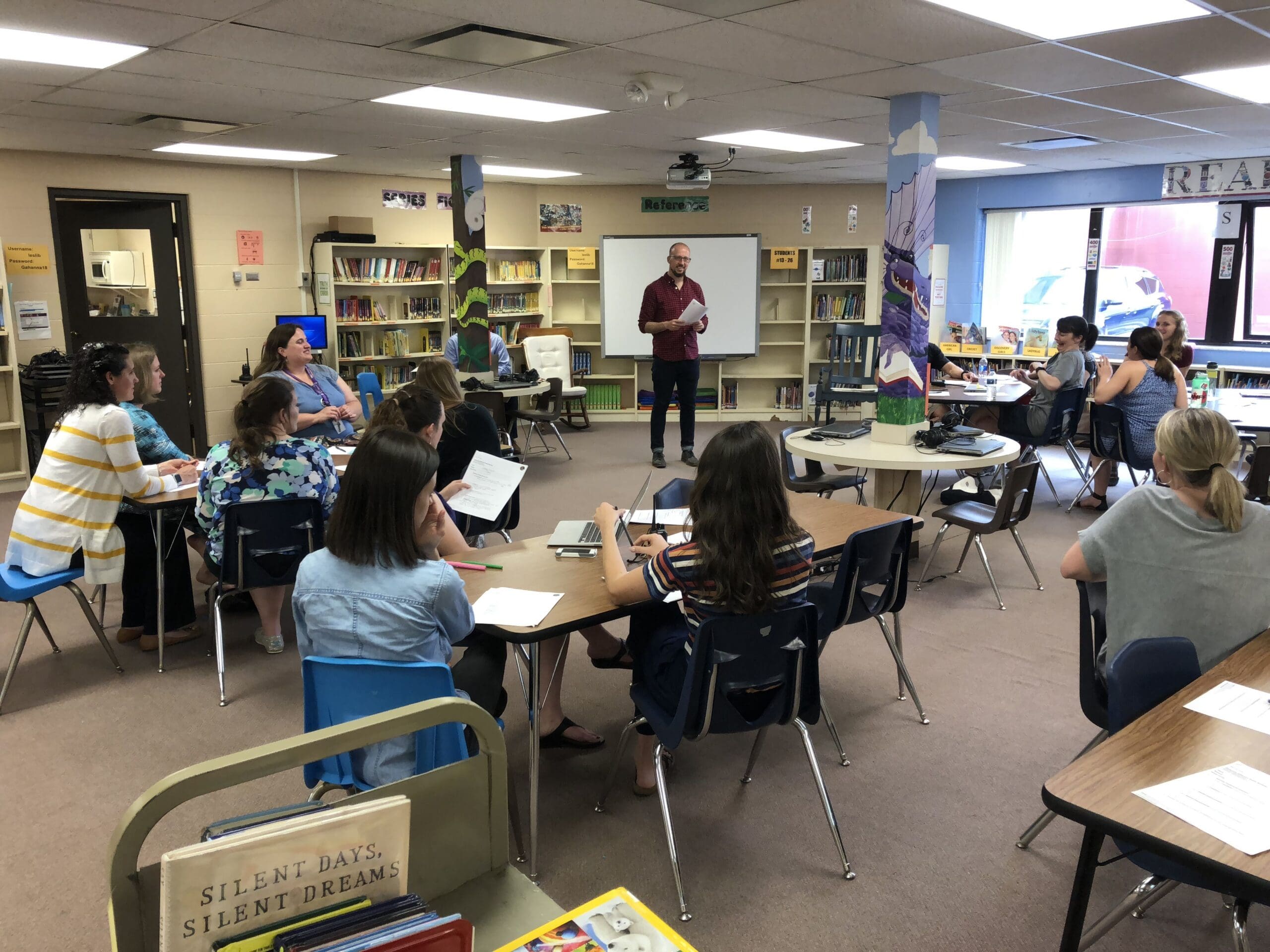
Public sector and community facility projects are rarely simple. Schools, municipal buildings, libraries, and civic campuses must serve many voices at once: administrators, staff, operations teams, maintenance leaders, boards, community members, and end users. Each group brings valid priorities, but those priorities often compete.
Too often, project teams rely on informal input, limited outreach, or the loudest voice in the room. The result is predictable: misalignment, late-stage changes, budget strain, and facilities that technically function but never fully satisfy their communities.
A better outcome requires more than good design. It requires a proven, structured process for transforming diverse stakeholder needs into actionable, balanced solutions.
That process is not common in the market. In fact, most competitors talk about engagement, but very few operate with a repeatable system designed specifically to balance complex stakeholder demands.
The Core Problem: Competing Priorities Without a Translation System
Public facility projects struggle because stakeholder needs are usually gathered but not translated.
Typical challenges include:
- Administrative goals that conflict with operational realities
- Staff preferences that differ from maintenance requirements
- Community expectations that exceed available funding
- Educational or program goals that outpace facility capacity
- Long-term lifecycle needs overlooked in favor of short-term wins
When engagement lacks structure, feedback becomes fragmented. Teams collect opinions but lack a framework to evaluate, prioritize, and integrate them. This leads to reactive decisions instead of strategic ones.
From Input to Insight: Structured Engagement That Works
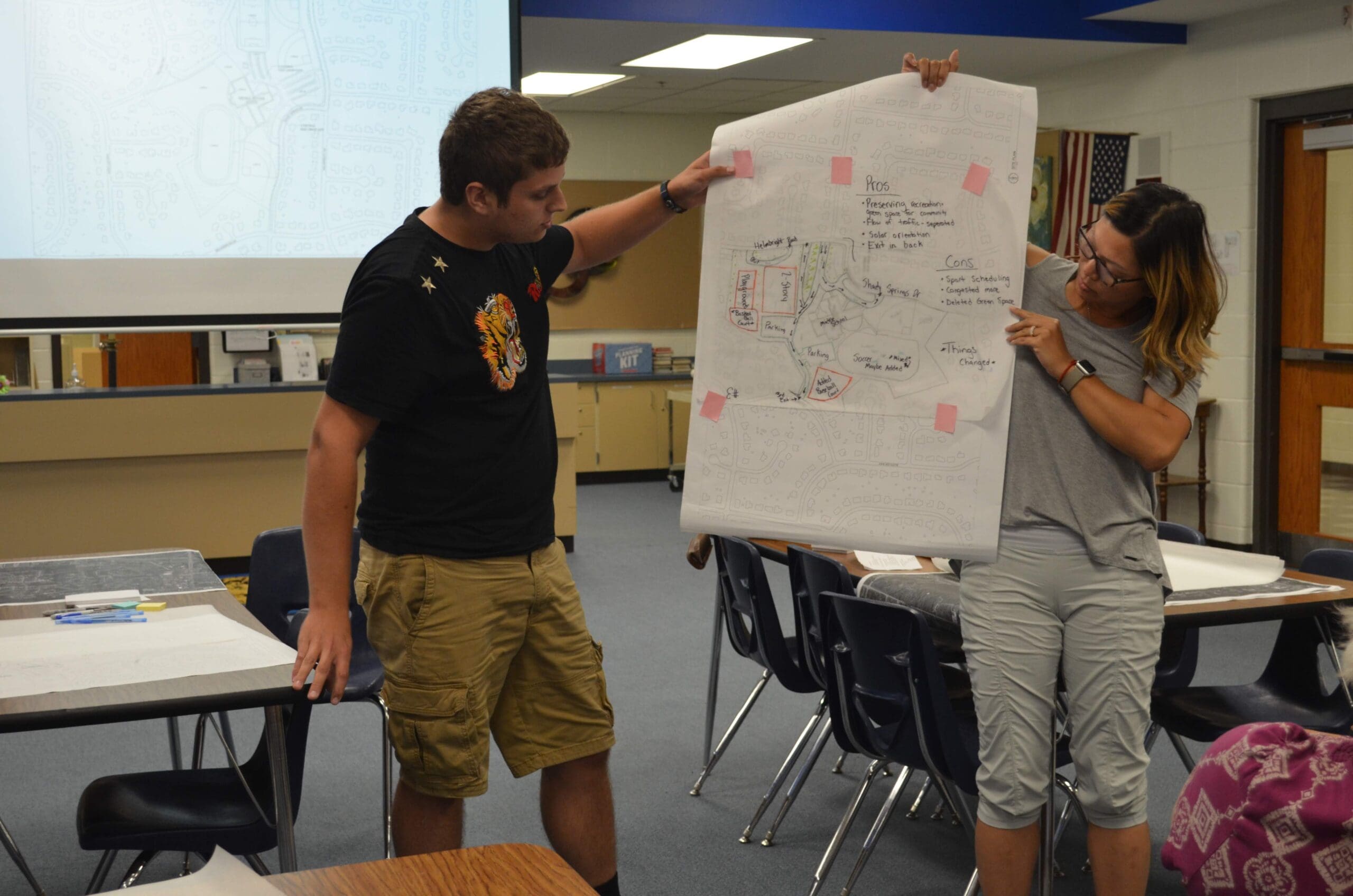
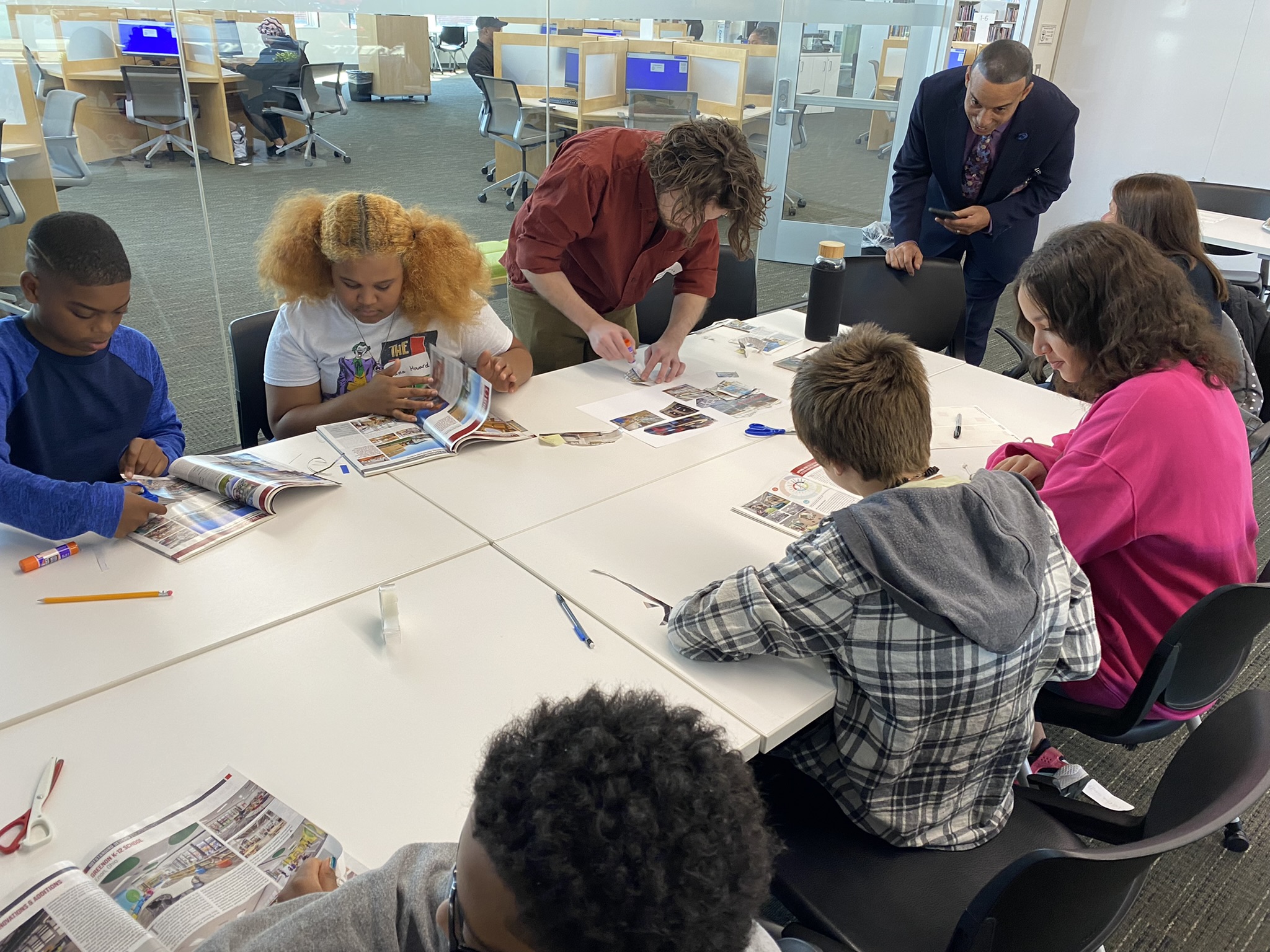
A proven stakeholder process does more than host meetings. It uses structured engagement and feedback loops to convert diverse perspectives into measurable direction.
Key elements include:
Active Listening by Stakeholder Type
Different groups are engaged separately and intentionally, not blended into generic sessions. Operations staff, leadership, users, and community representatives are each heard within their own context so their needs are clearly defined and not diluted.
Guided Discovery Conversations
Instead of open-ended opinion gathering, facilitated sessions use targeted questions that uncover root needs, constraints, and success metrics. This shifts feedback from preference-based to purpose-based.
Documented Feedback Frameworks
Input is captured in consistent formats that allow comparison, pattern recognition, and prioritization. This prevents critical insights from getting lost in meeting notes.
Structured Feedback Validation
Stakeholders are shown how their input is interpreted and applied. This confirmation step builds trust and reduces misalignment later in the project.

Transforming Diverse Perspectives into Actionable Solutions
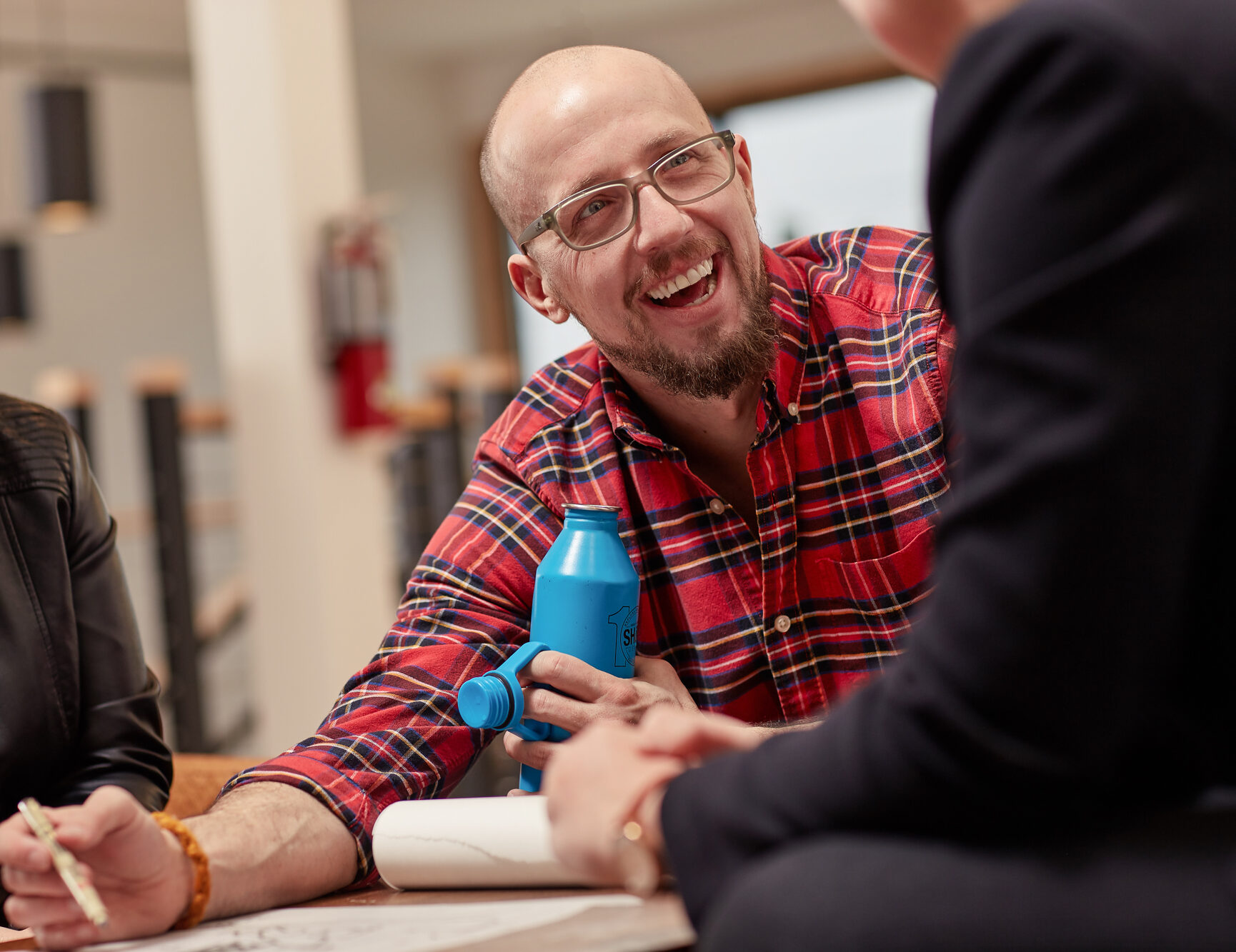
The power of a proven process is not just in gathering voices. It is in transforming them into decisions.
A structured engagement model enables teams to:
- Identify overlapping priorities across stakeholder groups
- Surface hidden operational risks early
- Balance user experience with lifecycle cost
- Align program goals with facility realities
- Convert qualitative input into design criteria
Instead of choosing between competing needs, the process reveals where smart integration is possible and where transparent tradeoffs must be made.
This turns stakeholder engagement from a checkbox activity into a decision-making engine.
Why This Matters More Than Ever
Today’s public projects face heightened scrutiny, tighter funding, and broader community visibility. Facilities must perform across multiple dimensions, including operational efficiency, user experience, adaptability, and long-term value.
Without a disciplined stakeholder process, projects risk:
- Scope drift
- Budget escalation
- Change orders
- Community resistance
- Underperforming spaces
With a proven process, teams deliver facilities that earn public confidence because stakeholders can see their needs reflected in the outcome.
The Real Outcome: Confidence, Clarity, and Community Trust
When diverse stakeholder needs are transformed through a structured, proven process, the results are measurable:
- Clearer priorities
- Faster consensus
- Fewer late-stage surprises
- Better lifecycle decisions
- Stronger stakeholder buy-in
- Facilities that truly serve their mission
