Yankee on High
At Triad, we work to bring community aspirations to life. We value your vision and strive to build and care for the community you live in and leave for future generations.
-
Project Completion
Phase 1: 2013, Phase 2: 2016
-
Construction Cost
Phase 1: $4.5 million, Phase 2: $3.5 million
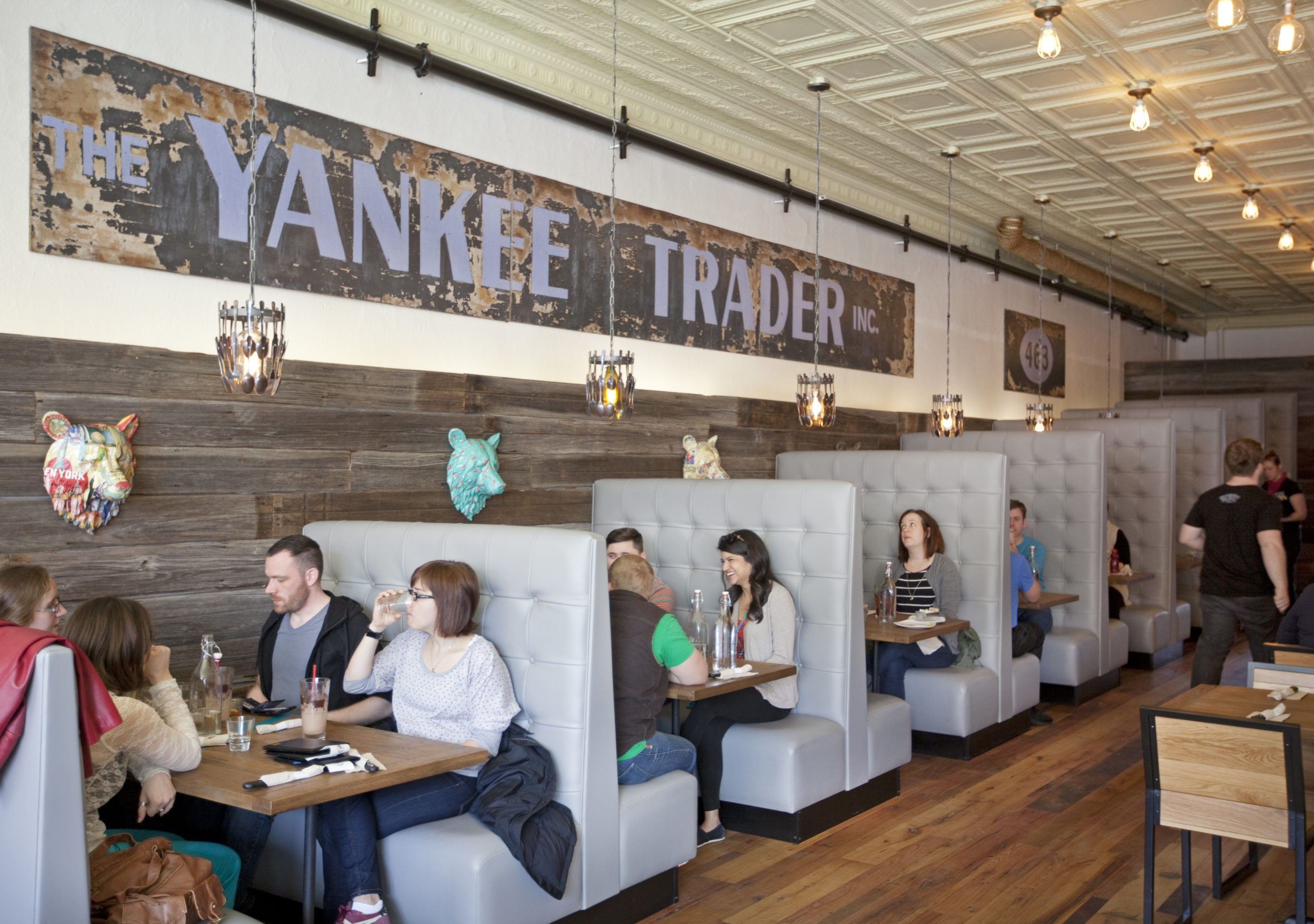
The Call: A Recession, a Decision, and a Historic Building on High Street
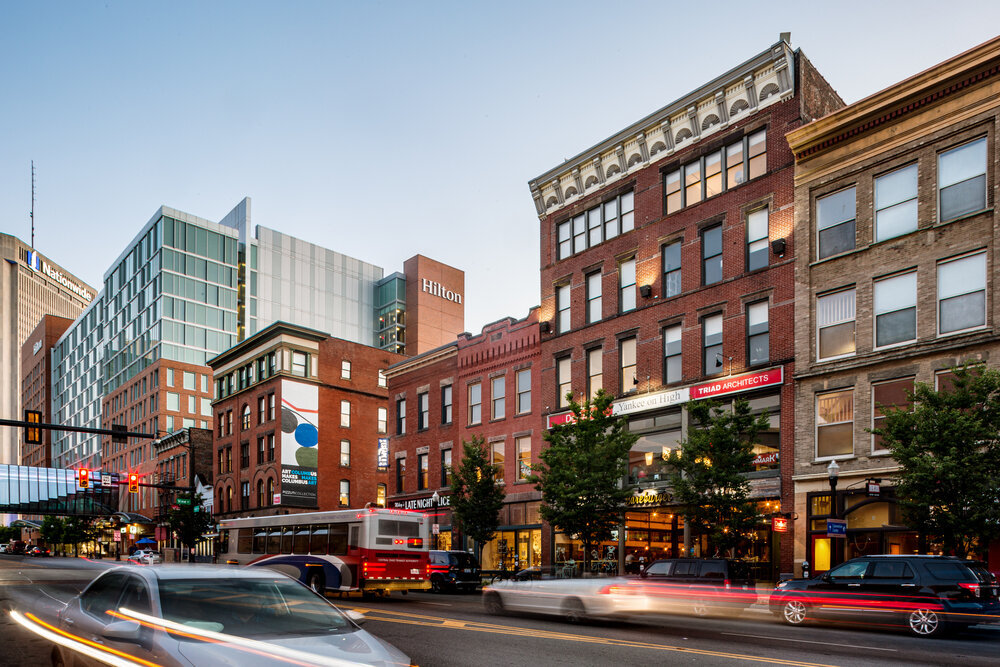
The recession that began in 2009 was squeezing the architecture industry. Projects were drying up. Clients were pulling back. Firms across Ohio were cutting staff and waiting for the market to turn. Triad made a different choice. Instead of waiting for clients to come back, they would become their own client. They identified the former Yankee Trader novelty store on High Street in downtown Columbus, a historic building with character, location, and untapped potential. The regulatory path was complex. The economic environment was brutal. And every dollar would be Triad’s own. But the alternative, sitting still and hoping the recession would pass, felt like a bigger risk than acting. This decision would change the trajectory of the firm.
Both Hero and Guide: The Project That Taught Triad What It Means to Be an Owner
Triad applied every capability they had built for clients to a project where they were the client. Architectural expertise. Historic review board navigation. SHPO compliance. Financial modeling. Construction loan monitoring. Entitlement processing. Every tool was used firsthand. And Triad went further: they moved their own offices into the building. They did not just invest money. They invested themselves, literally working from the space they were developing.
This was the project that taught Triad what it means to be an owner. When you spend your own money during a recession, when every cost overrun comes out of your own pocket, you learn how to spend strategically in a way no client project can teach you. That lesson became the foundation of Triad Development Partners as a service line. And it permanently changed how Triad advises building owners and developers. The guidance is not theoretical. It was forged in the hardest possible environment, with personal resources on the line.
Navigating Regulatory Complexity During the Worst Possible Time
The project required compliance with three regulatory bodies: the building department for adaptive reuse and change of use, the local historic review board for the historic district, and the State Historic Preservation Office as a condition of securing historic tax credits. Each had legitimate requirements. Those requirements did not always point in the same direction. Triad engaged all three early, before design decisions were locked in, to understand the landscape and design within all three frameworks from the start.
The building needed to preserve its historic character while functioning as modern retail and residential space. Triad balanced those competing demands by carefully determining which elements to restore, which to adapt, and which to replace. Every decision was filtered through three questions: does it satisfy the regulations, does it preserve what makes this building worth saving, and does it create spaces that tenants will want to lease in a recessionary market?
The financial model had to work in an environment where nothing was easy. Triad analyzed the cost impacts of different use scenarios to determine the mix of retail and residential that would maximize ROI. The historic tax credits were a structural component of the deal, not a bonus. Losing them would have changed the financial equation entirely. Unforeseen conditions in the historic building surfaced throughout construction, and every cost overrun came directly out of Triad’s pocket.
Success That Launched a Service Line and Changed the Firm
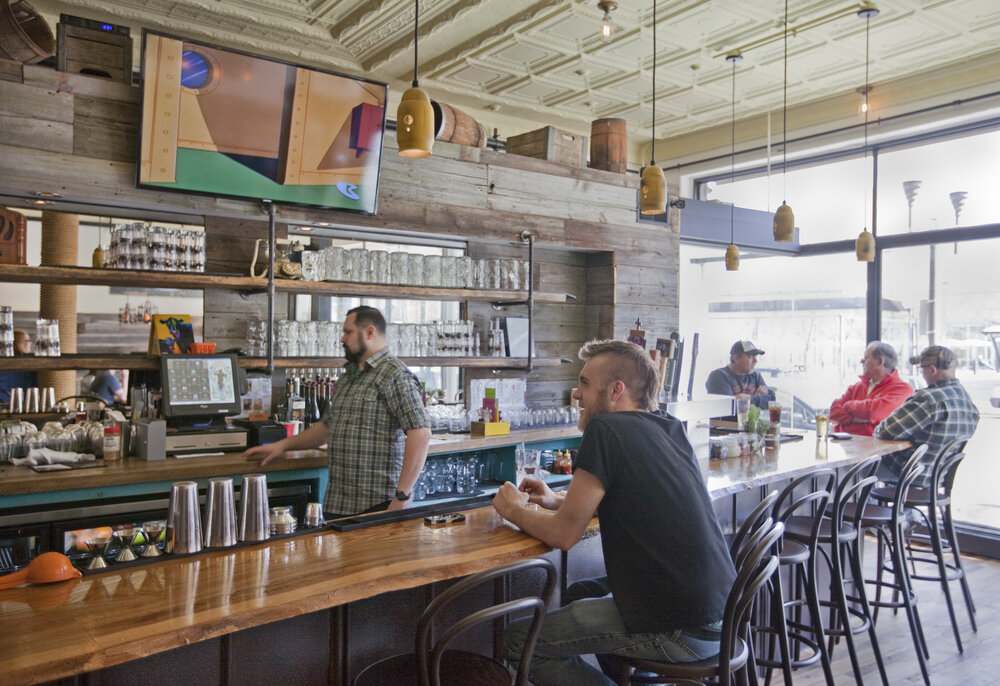
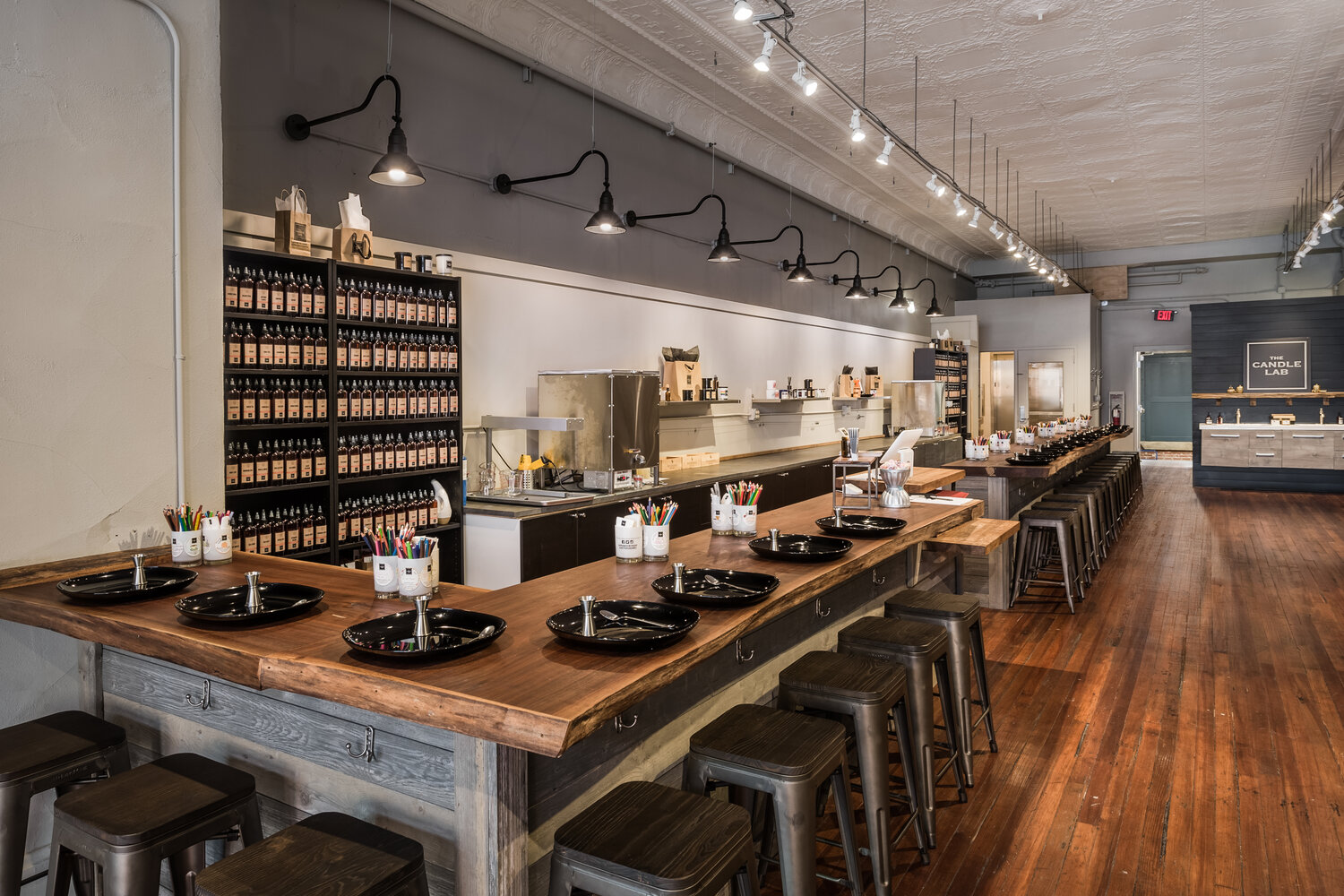
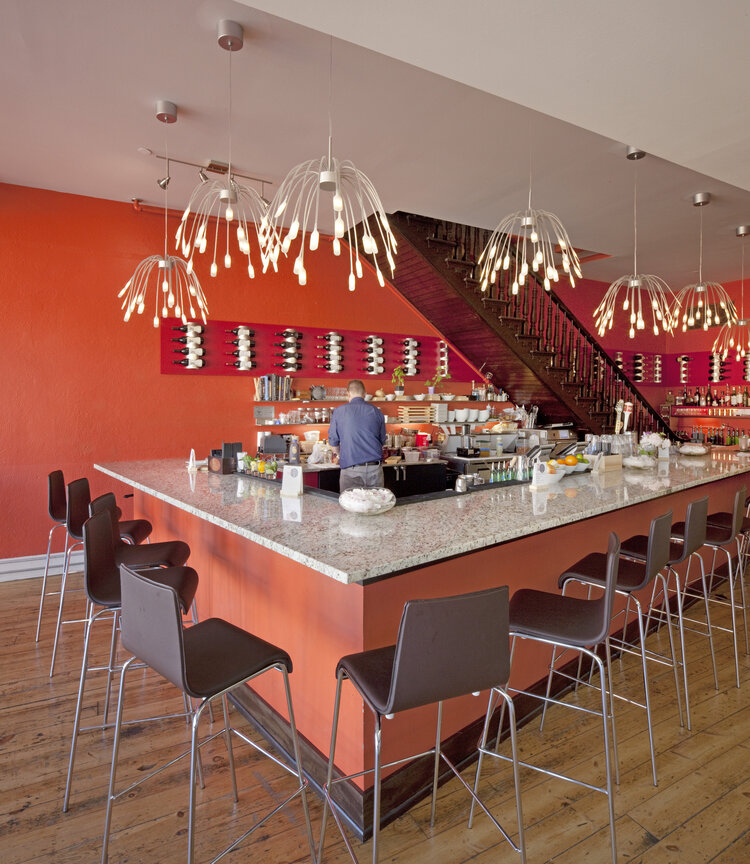
The first phase of Yankee on High was a success. The building was converted into ground-floor retail, second-floor retail, and upper-floor apartments with its historic character preserved. Historic tax credits were secured. The regulatory gauntlet was navigated. Triad moved their offices in and operated from the building they had developed.
Then the project proved itself in the most convincing way possible. The adjacent property owner, who owned two additional buildings that had been part of the original Yankee Trader complex, approached Triad and asked them to develop those properties as well. Both buildings also involved historic tax credits. Triad did not have to sell the next phase. The first phase sold it for them.
As the economy recovered, Triad grew. They eventually outgrew the Yankee on High space and moved to larger offices, the best possible proof that the recession-era bet had paid off. The project launched Triad Development Partners as a service line. And the perspective Triad gained from spending their own money, from navigating regulatory complexity as the owner, from making every budget decision with personal resources at stake, now informs every conversation they have with building owners and developers. They know how to be strategic with every dollar because they had to be strategic with their own, during the hardest time to do it.