Facilities Master Plan, Big Walnut Local Schools
At Triad, we work to bring community aspirations to life. We value your vision and strive to build and care for the community you live in and leave for future generations.
The Call: A Growing District That Needed the Community to See What It Could Feel
Big Walnut Local Schools was growing fast. Enrollment was climbing, and facilities were aging across the district. The district’s leadership could feel the pressure every day: overcrowded buildings, aging systems, and a pace of growth that was outrunning the district’s ability to respond. But feeling the problem is not the same as seeing it. The community needed to understand the enrollment challenge as clearly as the district did before they would vote to fund the solution. The district needed a master plan that was not just rigorous. It needed to be visual, clear, and impossible to misunderstand.
Choosing a Partner Who Could Turn Data into a Story the Community Could See
A master plan full of data tables and spreadsheets can be rigorous and still fail to earn a bond issue. The district needed a partner who could assess every facility, build a strategic roadmap, engage the community, and translate the enrollment growth challenge into visuals that made the case clearly. They chose Triad.
The Decisions That Turned Data into a Successful Bond Issue
The district and Triad’s planning team assessed every facility in the district comprehensively: physical condition, educational adequacy, capacity, safety, security, and accessibility. That baseline gave the district a complete, data-driven view of its needs, ranked and prioritized.
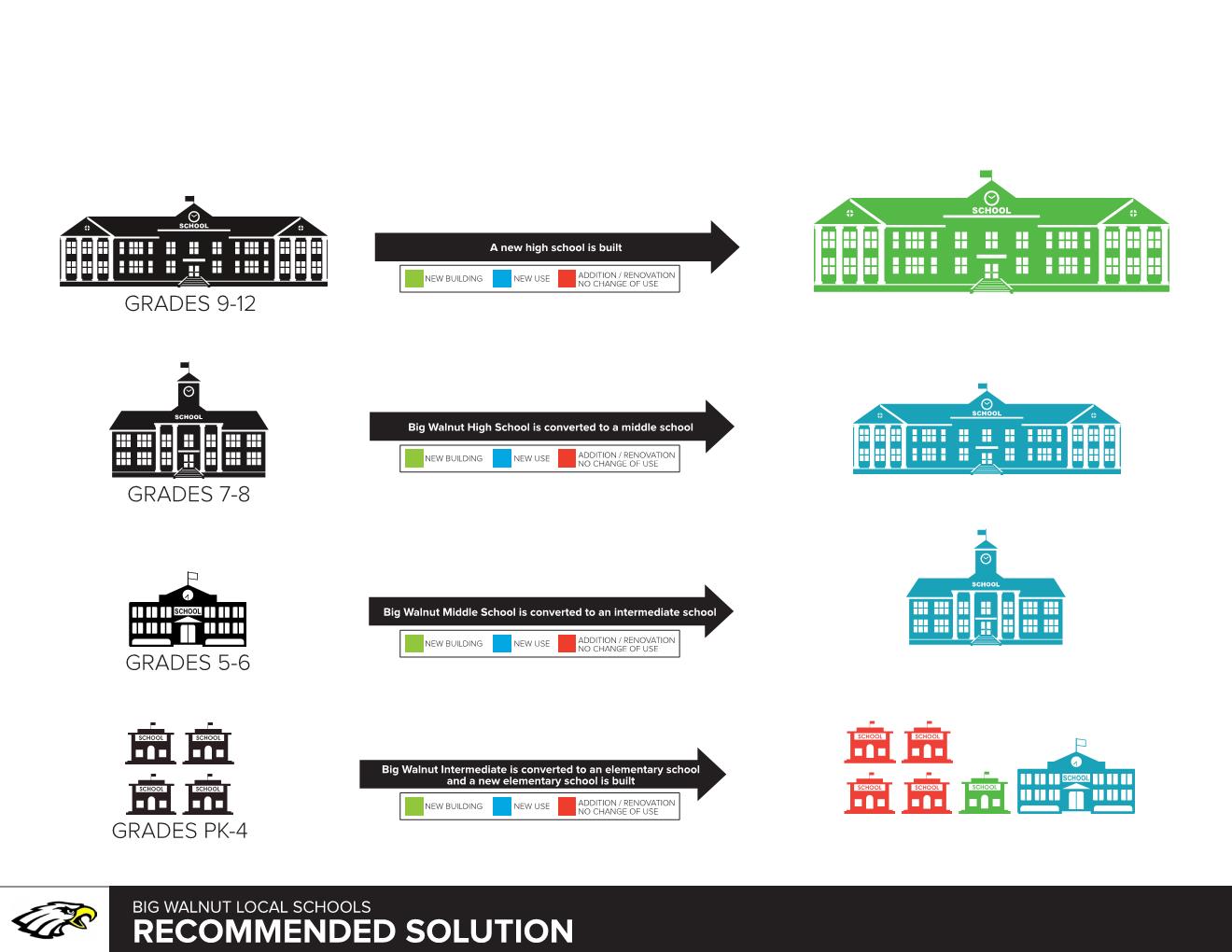
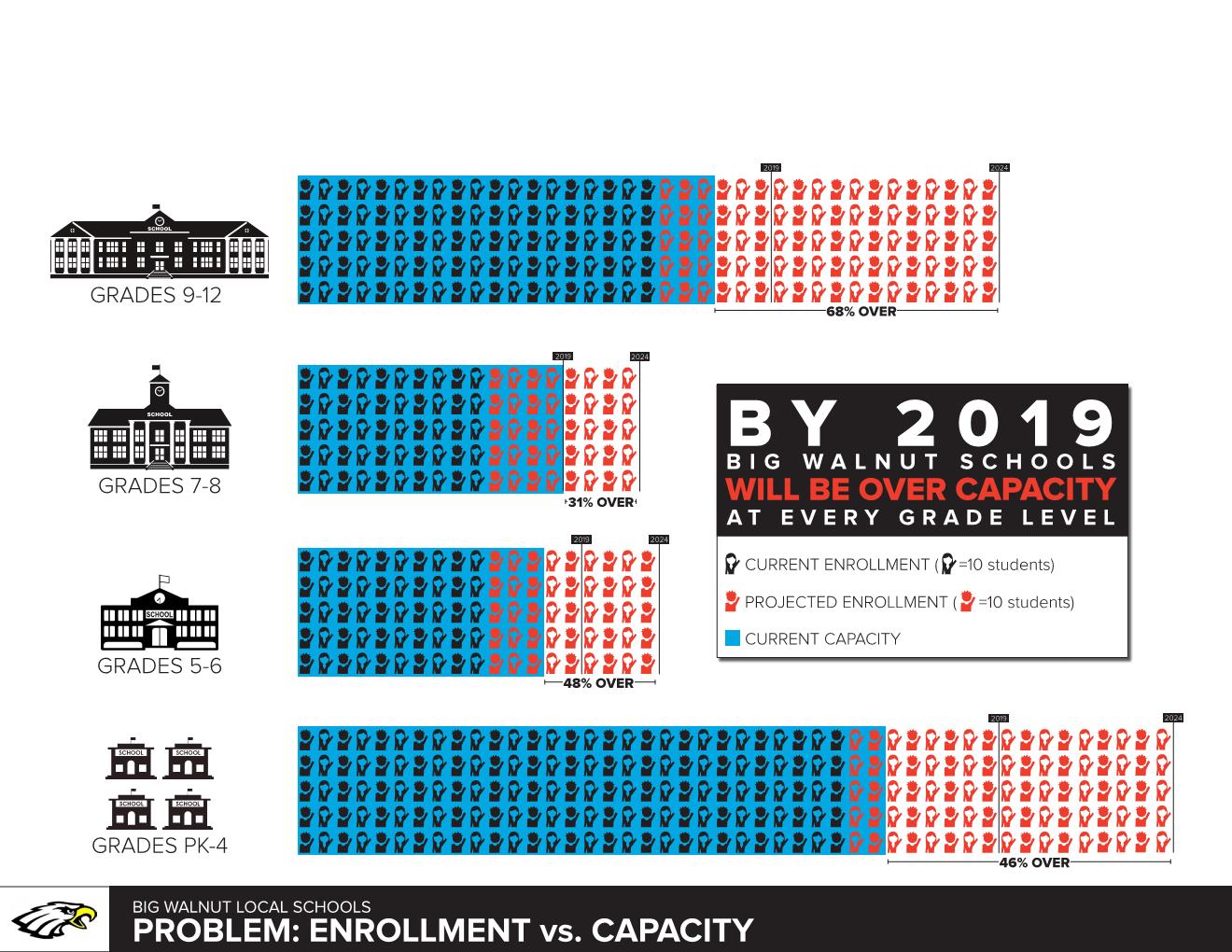
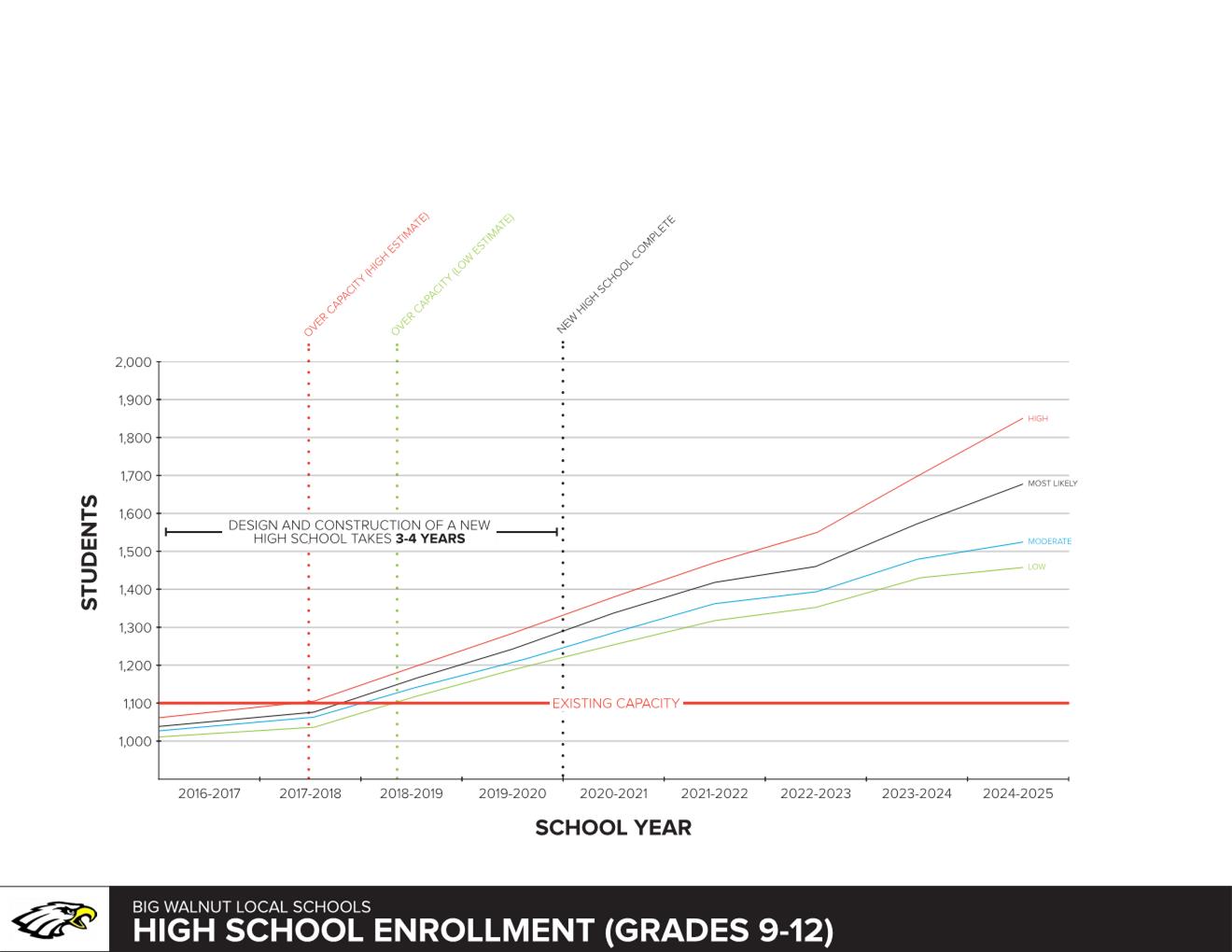
Then came the step that made the difference at the ballot box. Triad created a series of graphics that clearly illustrated the enrollment growth challenge in a way the community could immediately understand. The visuals translated complex enrollment data into a picture that told the story at a glance: where the district was, where it was headed, and what would happen if the community did not invest. Those graphics became a centerpiece of the district’s communication with taxpayers, framing every conversation about the plan and making the growth challenge tangible.
The district engaged the community throughout the process. Staff, families, and community members participated in shaping the plan’s recommendations. The enrollment graphics provided a shared starting point: everyone could see the same problem before they weighed in on the solutions. That shared understanding built the trust and buy-in that would be critical at the ballot.
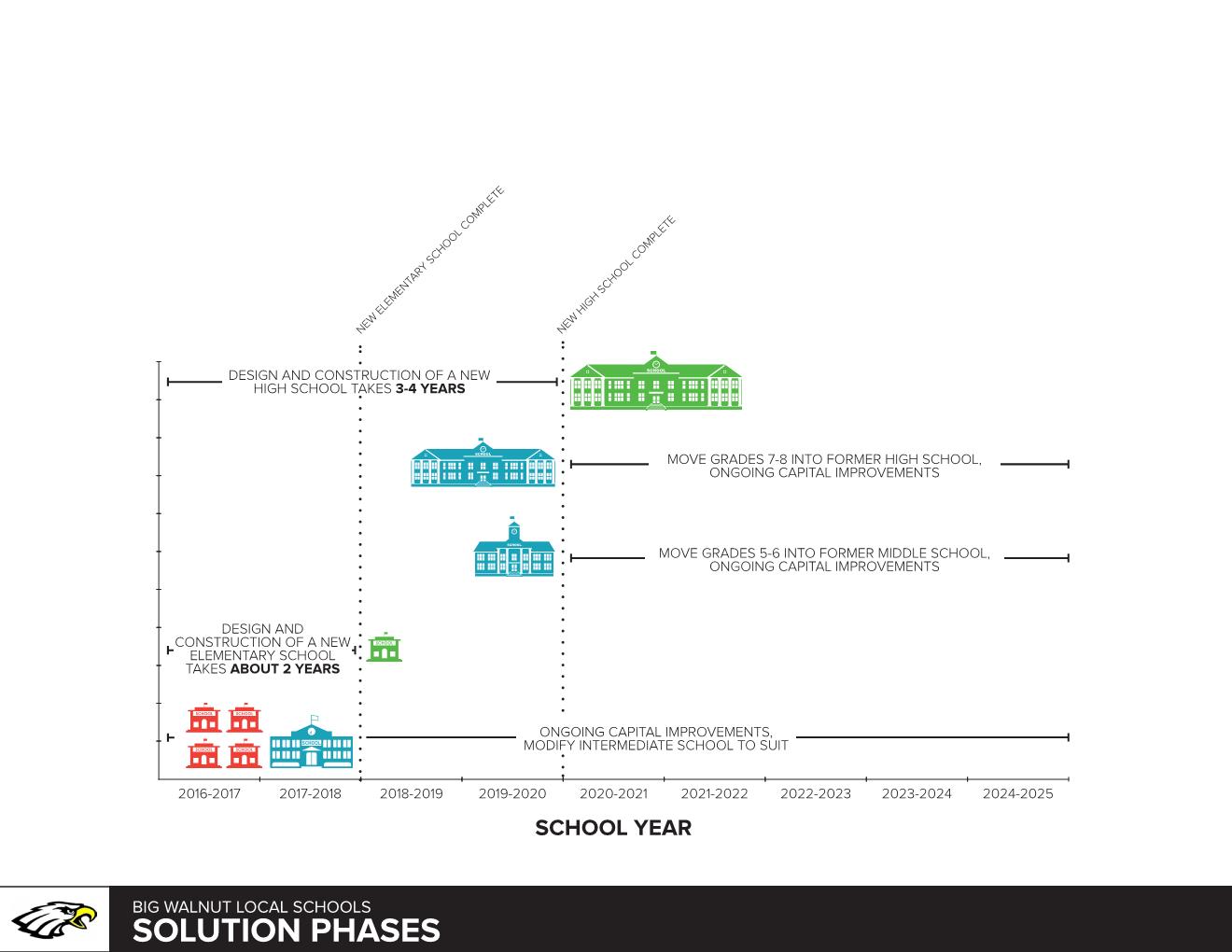
The final plan provided a clear, prioritized roadmap with realistic budgets, timelines, and implementation sequences. The district took that plan, backed by the enrollment graphics and the community engagement, to the ballot. The community voted yes.
A Plan the Community Could See, Understand, and Support
The bond issue passed, and the master plan became the roadmap for real investment. The plan led directly to building projects, including the installation of secured vestibules across every school in the district. Big Walnut’s leadership moved from making reactive decisions to leading with a strategic, community-supported plan. The enrollment graphics made the growth challenge impossible to ignore. The community engagement made the plan theirs. And the district delivered on the promises. Big Walnut proved that when a community can see the problem clearly, they will invest in the solution.