Blockfort
At Triad, we work to bring community aspirations to life. We value your vision and strive to build and care for the community you live in and leave for future generations.
-
Project Completion
2016
-
Construction Cost
$4,000
-
Client Contact
Adam Brouillette, Executive Director | adam.brouillette@gmail.com
The Call: An Artist Who Saw What a Building Could Become
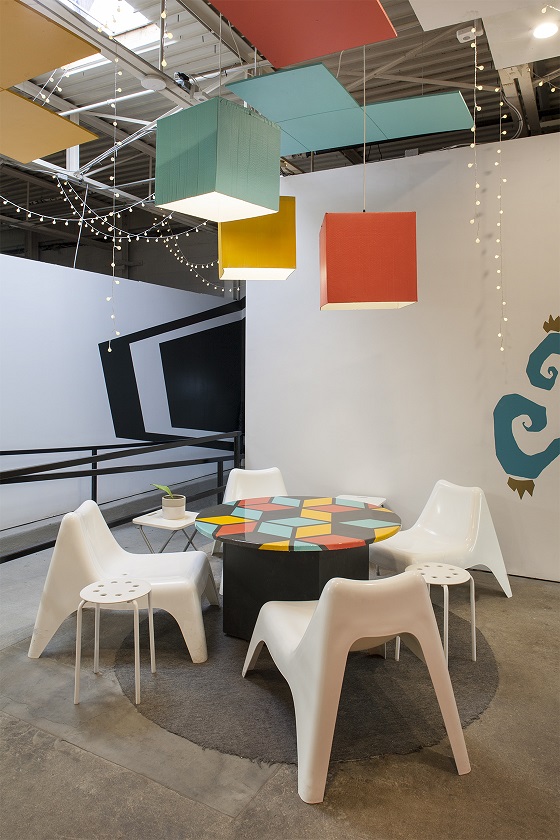
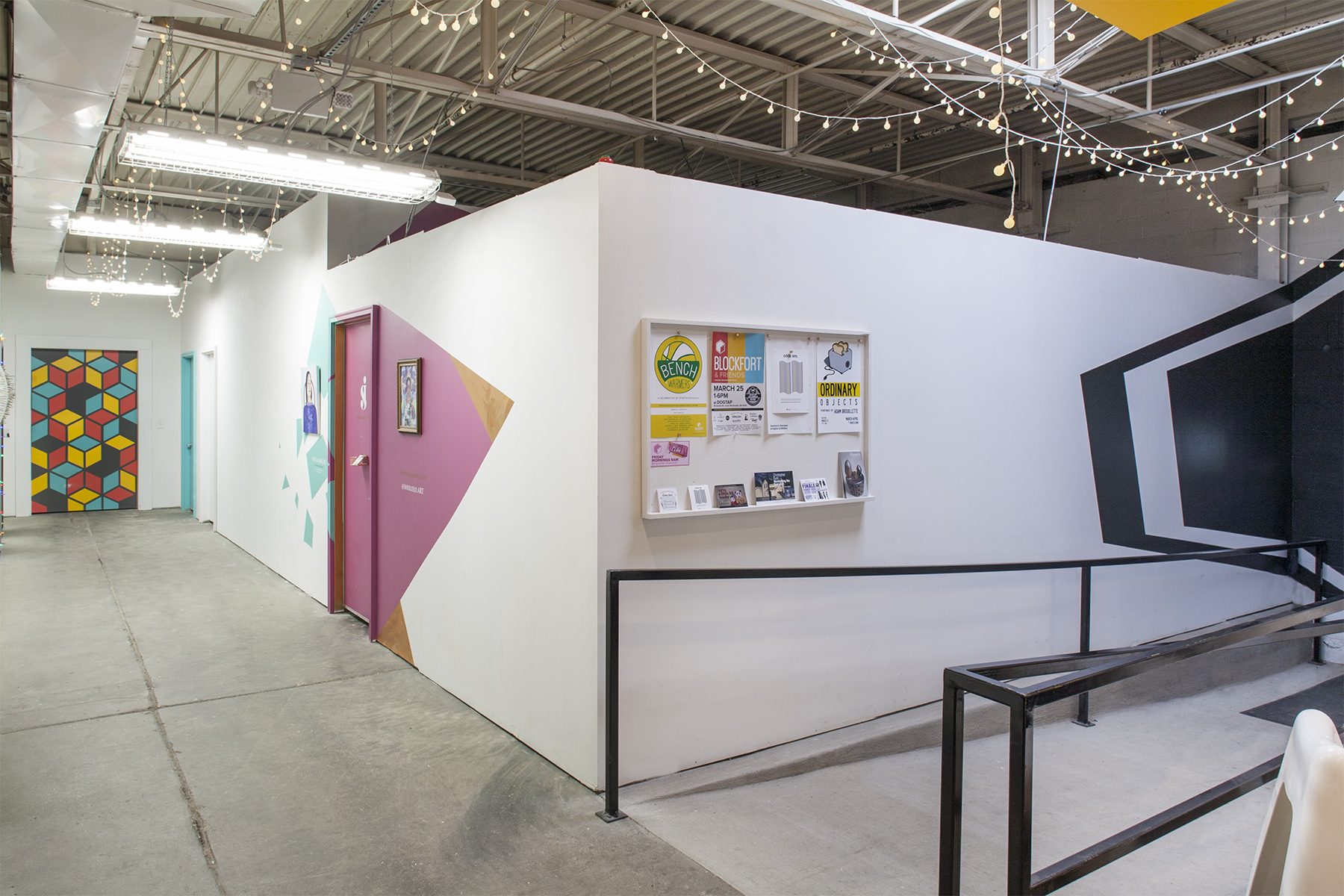
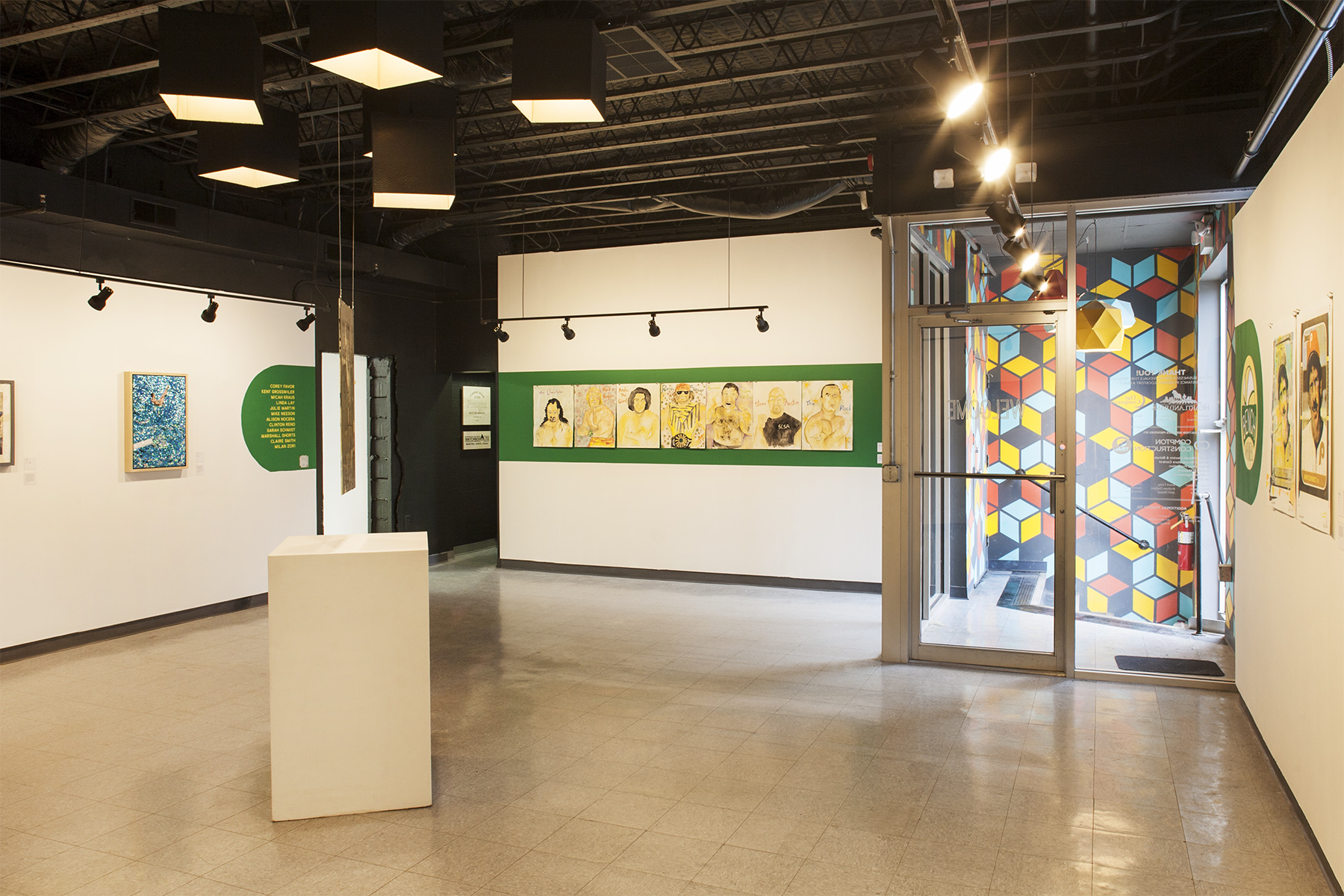
The building was a former auto parts store. Most people walked past it and saw exactly that. The owner, an artist, saw something different: a gallery on the ground floor. Artist studios where creatives could work. A co-working space that would serve both artists and professionals. And an apartment upstairs where they could live above the community they were creating. This was not a development deal. It was personal. The owner was building the environment they wanted to live and work in, and opening it up to others who shared the same creative energy.
But seeing the potential and realizing it are two different things. Converting an auto parts store into a mix of gallery, studio, co-working, and residential space triggers complex building code requirements that most building owners never encounter. The owner needed a partner who could navigate the code without losing the vision.
Choosing a Partner Who Could Translate Vision into a Building That Works
The owner chose Triad because the team had deep experience with adaptive reuse, including the complex code challenges that come with converting commercial buildings into mixed-use creative spaces. Triad had also developed adaptive reuse projects with their own money, which gave the owner confidence that the team understood what it means to invest personally in a building’s transformation. The owner needed a partner who would respect the creative intent and have the technical skill to protect it through the regulatory process.
The Decisions That Built a Creative Hub from an Auto Parts Store
The building code challenges came first. Four different uses in one building, gallery, studios, co-working, and residential, each with its own occupancy classification, egress requirements, fire separation needs, and accessibility standards. The owner worked through these challenges with Triad providing the code expertise. The goal was to find compliant paths that did not water down the creative character of the spaces. The code had to be satisfied. The vision had to survive. Both happened.
Unforeseen conditions in the existing building surfaced during construction. The owner had planned for this possibility, and the protections built into the approach allowed the project to absorb what the building revealed without derailing the budget or the timeline.
The owner made the decisions about what each space should feel like. The gallery needed to function for real exhibitions. The studios needed to support genuine creative work. The co-working space needed to attract both artists and professionals. And the apartment needed to feel like a home, not a leftover space above a commercial floor. The owner defined what each space should be. Triad translated those definitions into a design that delivered on every front.
An Artist Living Above the Community They Built
Today, Blockfort is a creative hub built from a former auto parts store. The gallery hosts exhibitions. The studios support working artists. The co-working space brings creatives and professionals together. And upstairs, the owner lives in the apartment they designed as part of the building they envisioned from the start. The building code challenges were solved without compromising the creative intent. Unforeseen conditions were managed. And a building that most people walked past without a second thought became exactly what an artist saw in it all along.
“
Working with TRIAD, the complex concept of how our space should be laid out and the process for getting permits became simplified and relatively easy. We were able to move our project along at a pace that helped us get open and operational quickly. I see TRIAD as a member of the arts community. They support artists and arts organizations in many ways and have shown that through their dedication to working on arts-related projects. It’s nice to have an architect that reaches out to the art community to share what they do and with whom to collaborate.”
Adam Brouillette
Executive Director