ADA Assessment, Bexley City Schools
At Triad, we work to bring community aspirations to life. We value your vision and strive to build and care for the community you live in and leave for future generations.
The Call: A District That Knew It Had Gaps But Could Not Map Them
Bexley City Schools has five schools that have been built and expanded over many decades. Some portions were constructed before the Americans with Disabilities Act. Some were built after. The result was a compliance patchwork: some areas met current requirements, some did not, and the district did not have a comprehensive picture of where it stood across all five buildings. The district’s leadership knew gaps existed. What they did not know was exactly where all the gaps were, how significant each one was, or how to prioritize addressing them. They decided it was time to get the complete picture.
Choosing a Partner to Provide an Honest, Actionable Assessment
The district needed a partner who could assess every building in the district against current ADA requirements, document every gap clearly, and organize the findings in a way that supported planning, prioritization, and budgeting. The assessment had to be thorough enough to serve as the foundation for a multi-year improvement plan and clear enough for the district to communicate its findings to the board and the community. They chose Triad.
From Assumptions to a Complete Picture
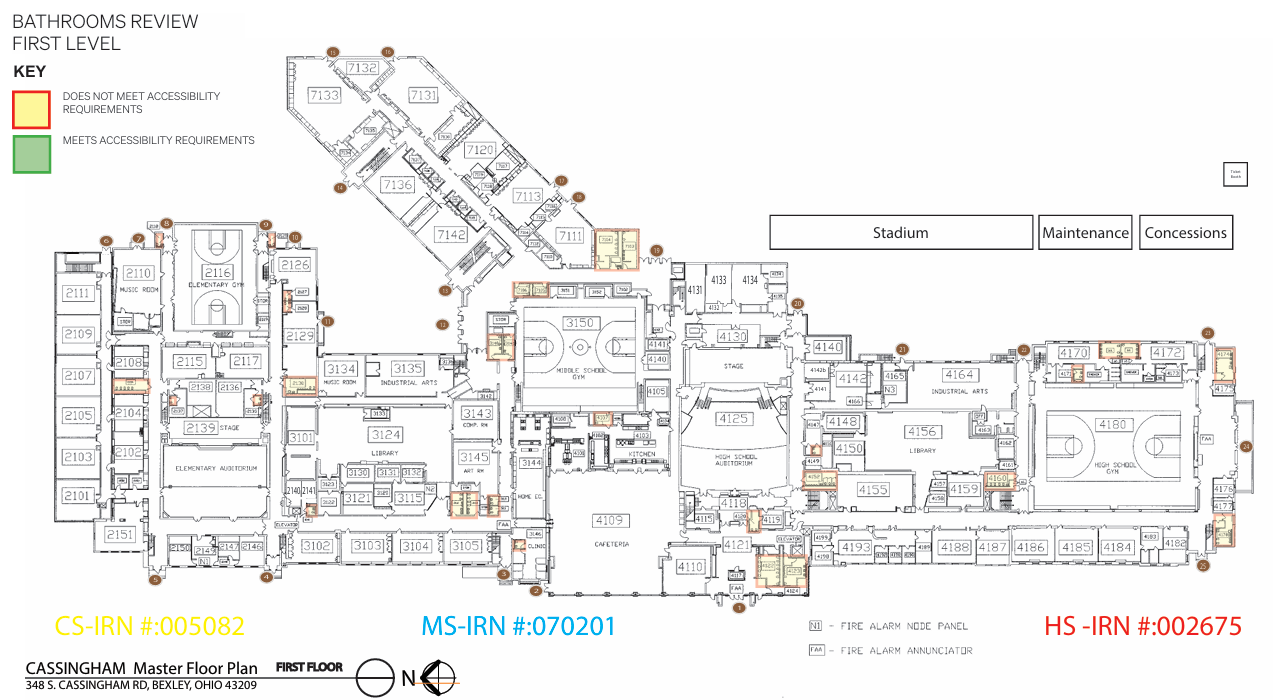
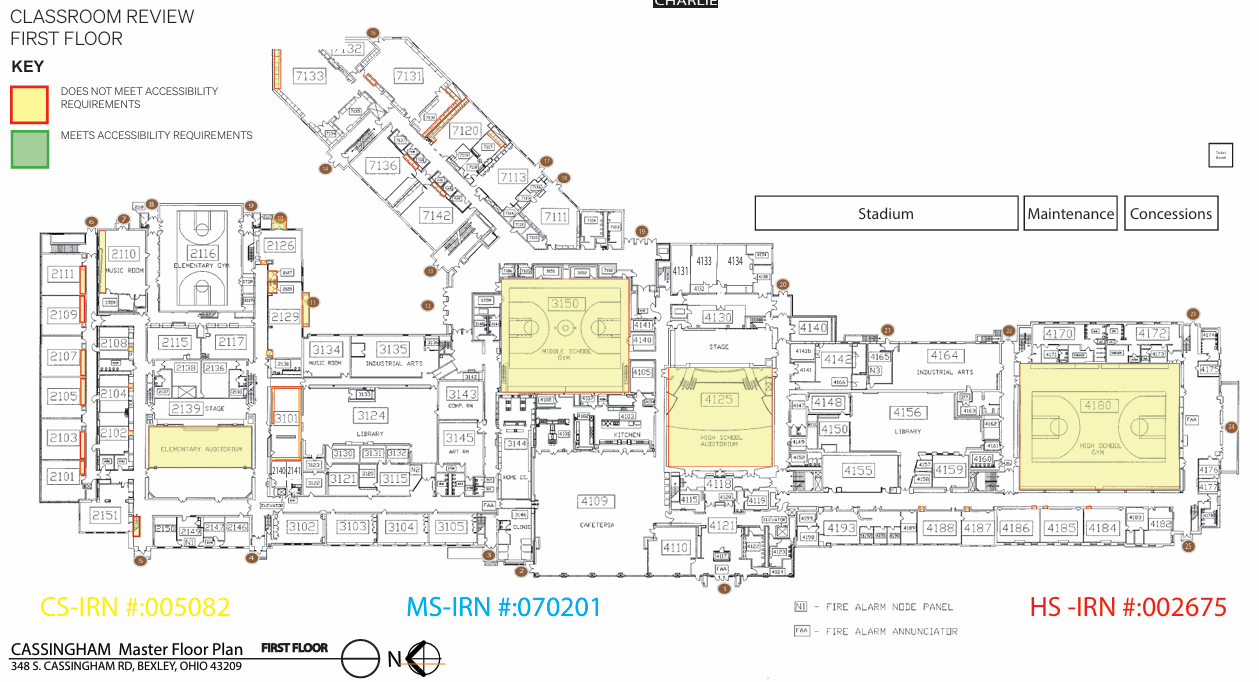
Triad’s planning team assessed all five schools comprehensively. Every area of every building was evaluated against current ADA requirements: entrances, corridors, classrooms, restrooms, cafeterias, gymnasiums, auditoriums, playgrounds, parking lots, and all other spaces that students, staff, and visitors use.
Every compliance gap was documented with its specific location, the requirement it fails to meet, and the severity of the deficiency. The assessment produced a clear, building-by-building picture that the district had never had before: a complete map of where each school complies and where it does not.
The findings were organized to support decision-making, not just documentation. The district can now prioritize improvements based on severity, impact, and cost. They can plan phased improvements over multiple budget cycles. And they can communicate transparently with the board and the community about what has been found and what the district plans to do about it.
Firm Data Where There Were Once Assumptions
Bexley City Schools now has a comprehensive, building-by-building picture of ADA compliance across all five schools. Every gap is documented. Every deficiency is rated by severity. The data is organized to support prioritization, budgeting, and phased improvement planning. The district can answer every question about accessibility with firm data instead of best guesses. And they can plan a responsible path forward because they finally know exactly where they stand. The first step toward accessibility for all is an honest picture of where things are. Bexley took that step.